The short answer
Sequence machine conditioning from dry to wet and bulk to film: isolate and mask the machine, vacuum loose chips, recover coolant and sump sludge with an oil and chip vacuum, then degrease remaining oil films with dry steam from the top down, recover condensate, inspect and hand back. Trial first: results depend on residue age and substrate.
Key takeaways
- Work dry before wet and bulk before film: chips, coolant and sludge come out before any steam goes on.
- An empty sump cannot be diluted by condensate or refilled by residue washing down from above.
- Degrease from the top down and recover loosened residue as you go; steam loosens grease but does not remove it alone.
- Agree isolation, masking and exclusions with the site's maintenance team before cleaning starts.
- Trial one machine first: steam degreasing results depend on residue type, ageing and substrate.
A machine tool that has run for months between deep cleans carries more than one kind of dirt: loose chips and swarf on the bed, coolant and sludge in the sump, and oil and grease films on guards, castings and fixtures. Before an overhaul, an inspection, a relocation or a restart after shutdown, that machine needs a machine conditioning service: a planned clean that returns it to a state where technicians can see, measure and work safely.
The tools are well understood: vacuum recovery for chips and liquids, dry steam for grease. What usually goes wrong is the order. Steam a machine before the chips and coolant are out and you create hot, oily paste and diluted coolant; leave the vacuum work until last and you are recovering wet sludge from every corner. This guide sets out a sequence that maintenance managers can adapt, the checks behind each step and what to record.
What does a machine conditioning service include?
A machine conditioning service, as the term is used here, is the planned removal of process residues from a machine tool and its immediate surroundings using vacuum recovery and dry steam degreasing, so that maintenance can inspect, repair or restart it. It is a cleaning scope, not a repair scope.
A typical scope covers three residue families, and each needs its own method:
- Dry solids: chips, swarf, grinding dust and debris on beds, tables, chip trays and conveyors.
- Liquids and sludge: neat oil or water-miscible coolant, tramp oil and the sludge that settles in sumps and tanks.
- Films and deposits: lubricant, grease and coolant residue on guards, enclosures, castings, fixtures and the floor around the machine.
What the scope excludes matters just as much. Electrical isolation and any electrical work stay with the site’s authorized staff. Mechanical repairs, coolant refilling and re-lubrication belong to the maintenance team. Recovered coolant, oil and sludge are handed over in marked containers to the site’s own coolant management or licensed waste arrangements; collecting a residue does not make the cleaning provider its carrier.
Why does the order of cleaning tasks matter?
The order matters because every method changes the condition of the residue left for the next one. Six rules keep each step from undoing the last:
- Isolate and protect before heat and moisture. Masking goes on while the machine is cold and dry.
- Dry before wet. Loose chips are easiest to collect dry; once steamed, they turn into an oily paste.
- Liquids out before steam. An empty sump cannot be diluted by condensate or refilled by residue washing down from above.
- Bulk before film. Steam is for the film left after bulk removal, not for moving kilograms of swarf.
- Top down. Work from the highest surfaces downward so that cleaned areas are not contaminated again.
- Recover as you go. Steam loosens grease; a wipe or a vacuum must take it away before it settles lower down.
A step-by-step machine conditioning service sequence
The sequence below suits most machining centers, lathes and similar machine tools. Adapt it to the machine manufacturer’s instructions and to the site’s permit-to-work system.
- Survey and agree the scope. Record machine IDs, residue types, coolant type, sump access and the components that must stay dry. Agree exclusions and the hand-back condition in writing.
- Isolate and cool down. The site’s authorized person isolates the machine. Hot surfaces and fluids are left to cool before anyone reaches into the work area.
- Mask and protect. Cover or seal control cabinets, connectors, sensors, linear scales and any part that the machine manual says must not see steam or moisture.
- Remove dry chips and debris. Vacuum the bed, table, chip trays and conveyor with a unit suited to the chip type and volume.
- Recover coolant and sump sludge. Draw off the liquid with an oil and chip vacuum, separate chips and sludge from it, and decant both into marked containers.
- Degrease with dry steam, top down. Treat guards, enclosure walls, castings and fixtures with suitable lances and brushes, wiping or vacuuming the loosened residue as you go.
- Clean the surround. Finish with the floor, plinth and drip trays so that the zone is clean and slip-free.
- Dry, inspect and hand back. Remove the masking, check for moisture where it should not be, photograph the result and sign the machine back to maintenance for refilling and restart.
Machine conditioning sequence
This TECNOVAP film shows dry steam removing oil, grease and encrusted deposits from machinery and tools in a mechanical plant. Use it to picture step 6; it shows the technique, not a complete conditioning scope.
Which equipment does which job?
Each residue family has a matching tool, and the decision table below is a starting point for choosing them. The last column lists the questions to answer before you buy, rent or book anything.
| Task | Typical equipment | Confirm before starting |
|---|---|---|
| Loose chips, swarf and debris | Oil and chip vacuum or heavy-duty industrial vacuum | Chip material and size, volume per machine, whether any fines could be combustible |
| Coolant, tramp oil and sump sludge | Oil and chip vacuum with liquid and solid separation, plus a pump or drain for discharge | Neat oil or water-miscible coolant, sump volume, where the recovered liquid goes next |
| Oil and grease films on guards, castings and fixtures | Dry saturated steam generator with lances and brushes | Substrate and coatings, parts that must stay dry, age of the residue |
| Condensate and loosened residue | Steam generator with integrated vacuum, or a separate wet and dry vacuum and absorbent wipes | Containment of run-off, collection containers |
| Floor and plinth around the machine | Steam with vacuum recovery, or an industrial vacuum plus the site’s floor method | Slip control, drainage, traffic around the zone |
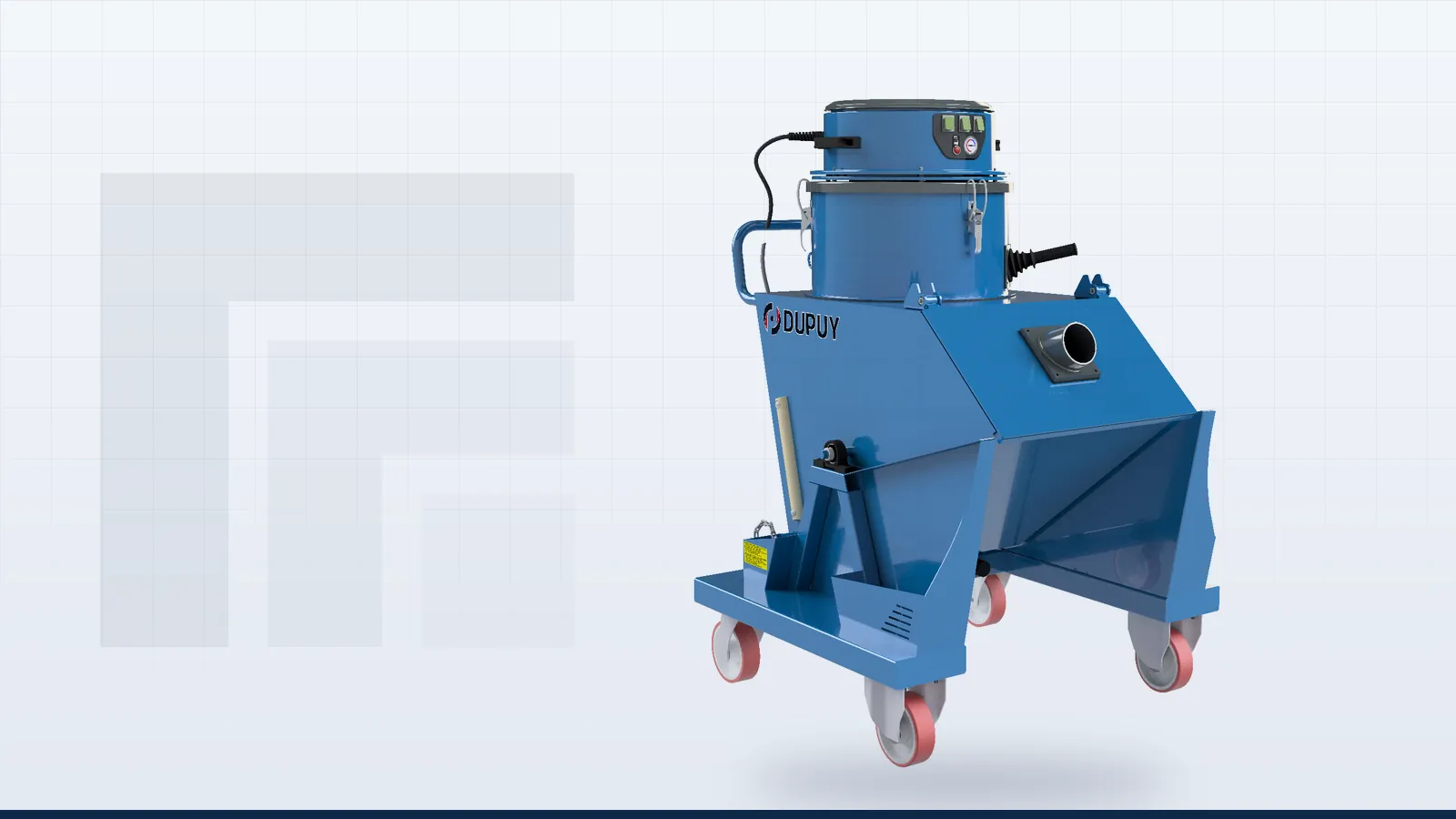
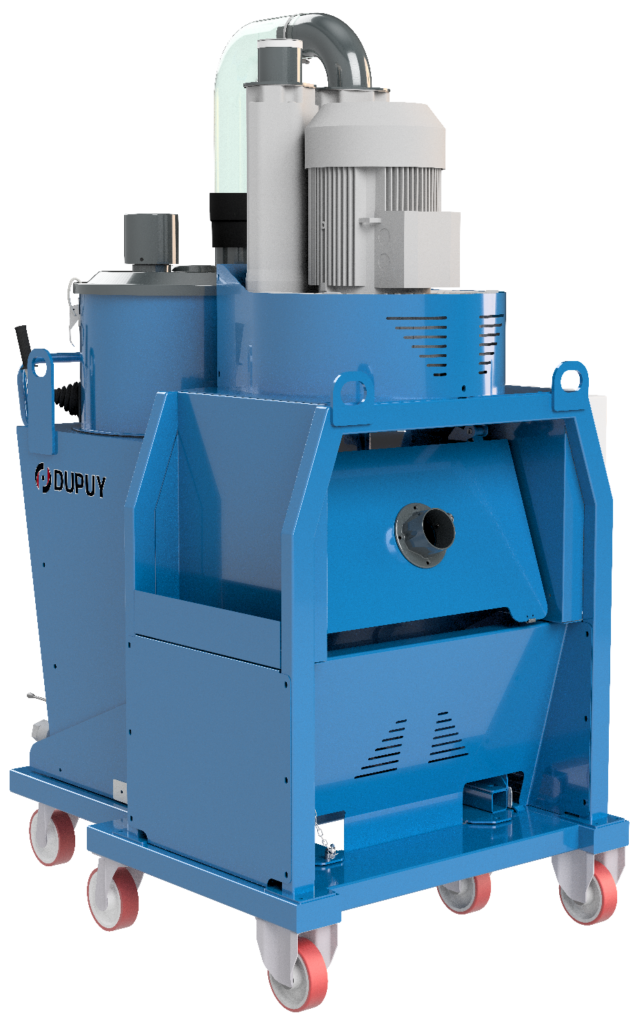
On the vacuum side, DUPUY lists dedicated oil and chip vacuum cleaners in its Chipvac and Oilvac families. DUPUY states that grated metal baskets in its Oilvac units let emulsion “be instantly separated from sludge and slurries,” facilitating recycling of the recovered oil, and it describes the Oilvac 500 as a “vacuum cleaner for coolant, oil and chips.” The product page gives no tank volumes, so take capacities from the datasheet of the model you are considering.
On the steam side, TECNOVAP states that its Steam Power Plus and Steam Box Vac Industrial generators deliver “dry saturated steam at 183° C,” and that the Steam Box Vac Industrial is equipped with a wet and dry vacuum, so one unit can loosen and recover residue. These are generator-side figures as published; the temperature at the part is lower and varies with distance, travel speed and the mass of metal being cleaned.

DUPUY presents the Oilvac 500 as an all-in-one unit for deep cleaning of CNC machines. Use it to picture step 5, where sump liquid is drawn off and kept apart from sludge and chips.
Which residues and surfaces need a trial first?
Run a trial on one machine before committing a whole shutdown to a method, because steam degreasing results depend on the residue, how long it has aged and the surface beneath it. Fresh lubricant films usually lift faster than oil baked on by months of heat, and painted, plastic or labeled surfaces react differently from bare cast iron.
- Pick the machine with the heaviest or oldest residue, not the easiest one.
- Test painted panels, polycarbonate windows, labels and seals on a small, hidden area first.
- Record the accessory used, the passes needed and the time per area.
- Check after the trial that masked components stayed dry.
- Note anything that did not come off; it may need mechanical removal or a detergent the site approves. TECNOVAP offers detergent injection on its EVO model.
What should a machine conditioning record include?
Record enough to repeat the job and to prove what was done, because a conditioning service is only as useful as the hand-back record behind it. A practical record covers:
- Machine ID, location, residue types and the date of the last deep clean.
- Coolant type, the approximate volume recovered and the container it went into.
- Chip material, so that the site can route it correctly.
- Components masked or excluded, and confirmation that they stayed dry.
- Time per step and per machine: the basis for planning the next shutdown.
- Before and after photos taken from fixed positions.
- Defects noticed during cleaning, such as leaks, damaged way covers or worn wipers, passed to maintenance.
- The maintenance lead’s signature accepting the machine back.
How do you plan conditioning across a shutdown?
Plan conditioning as a campaign rather than a string of one-off cleans, so that equipment, crews and waste containers move down the line in step with the maintenance plan.
- Group machines by residue. Machines with similar chips and coolant can share one equipment set and one routine.
- Decide buy or rent early. An annual shutdown campaign may suit equipment rental; a plant that conditions machines every week may justify owning both units.
- Check availability, not assumptions. If equipment or spares must be imported, build shipping through the Aqaba gateway into the plan instead of assuming stock.
- Stock consumables. Filters, hoses, brushes and lance tips run out mid-campaign; plan them through spare parts and MRO supply.
- Prepare the waste route. Have marked containers and the site’s waste contractor ready before step 5, not after.
- Manage heat. In summer, a closed machine shop plus steam adds heat load on the crew, so plan rotation and breaks.
How AFE supports machine conditioning
AFE supports machine conditioning in three ways, and the right one depends on how often you need it. For in-house maintenance teams, AFE supplies TECNOVAP dry steam generators and DUPUY oil and chip vacuums, with spare parts and consumables. For a shutdown or a trial before purchase, the same equipment can be rented. Where you prefer the work done for you, AFE delivers on-site steam cleaning and degreasing, scoped after a site survey.
For the detail behind each half of the workflow, see where dry steam degreasing fits into a maintenance shutdown and how oil and metal chips are collected and separated around machine tools. If the job also includes settled dust around the line, vacuum-based industrial dry cleaning covers that scope.
Al Faisaliah Enterprises · Aqaba
Plan your next machine conditioning campaign
Send your machine list, coolant types and photos of the heaviest residues. AFE can propose a task sequence, an equipment set and a date for a site survey.
Frequently asked questions
How long does it take to condition one machine tool?
There is no standard figure, because time depends on machine size, residue type and age, sump volume and access. The reliable way to find out is a trial on one representative machine: record the time for each step, then use that baseline to plan the rest of the shutdown. Machines with similar residues can then be scheduled in groups, which is usually faster than treating each one as a new job.
Can dry steam be used on painted guards, polycarbonate windows and labels?
Often, but not by default. Check the machine manufacturer's cleaning instructions, test a small hidden area first and keep the lance moving rather than holding it on one spot. Some coatings, labels, seals and plastics can soften or lift under heat. Anything the manual says must stay dry, or that you are unsure about, should be masked or excluded and cleaned by the method the manufacturer specifies.
What happens to the coolant and sludge recovered from the sump?
Recovered liquid and sludge go into marked containers and are handed over to the site's coolant management or its licensed waste contractor. DUPUY states that its Oilvac separation facilitates recycling of the recovered oil, but whether coolant can be reused is the site's decision, based on its condition and the supplier's guidance. The cleaning provider does not take over transport or disposal by collecting it.
Should we buy steam and oil recovery equipment or contract the work?
Buy when machines are conditioned often enough to keep trained in-house operators busy and the equipment is maintained like any other plant asset. Contract the work, or rent the equipment, when conditioning happens mainly during annual shutdowns or when you want to prove the method first. Many plants start with a trial or rental, then decide once they know the real time and frequency.
Does dry steam remove the need for degreasing chemicals?
Not always. Steam often lifts fresh oil and grease films on its own, but heavily aged or baked-on deposits may still need mechanical action or a site-approved detergent. TECNOVAP offers detergent injection on its EVO model. The trial should decide: if a chemical is needed, check that it is compatible with the machine, the coolant and the site's waste route before using it.
Sources and references
- Oil and chip industrial vacuum cleaners · DUPUY
- Steam Box Vac Industrial · TECNOVAP
- Steam Power Plus · TECNOVAP
- EVO steam generator with detergent injection · TECNOVAP
- Revised National Emphasis Program: Combustible Dust (CPL 03-00-008) · US Occupational Safety and Health Administration
This article is general technical guidance. Equipment suitability, ATEX conformity and hygiene performance must be confirmed for each site and application.
Written for plant, maintenance, HSE and quality teams in Jordan, Saudi Arabia and Iraq.