The short answer
Compounding plants should capture powder at bag tipping and feeder refill points, vacuum feeders and hoppers top-down at every colour change with dedicated tools, and contain pellet spills with trays and drain covers before collecting them by vacuum. Polymer powders and carbon black can be combustible, so avoid compressed air and check hidden deposits.
Key takeaways
- OSHA lists plastics, resins and carbon black among combustible dusts.
- A CSB case shows plastic powder hidden above a ceiling can fuel a fatal explosion.
- Treat each colour change as a defined top-down vacuum sequence with dedicated tools.
- Contain pellet spills with trays and drain covers, then vacuum them before they spread.
- Give suppliers material data, changeover frequency and where collected material should go.
A compounding or masterbatch line handles two very different materials. Polymer powders, pigments and additives arrive in bags and big bags and are fed, often in small amounts, into blenders and extruders. Pellets leave the pelletizer by the tonne and are conveyed, stored and packed. Both escape: fine powder drifts from tipping stations and feeders, and pellets spill at hoppers, transfers and packing.
Controlling plastics compounding dust and pellet spills is about three things at once: worker exposure and housekeeping, colour and product purity, and keeping material out of drains and yards. This guide is for production, quality and maintenance managers in Jordan, Saudi Arabia and Iraq.
Why does plastics compounding dust need a dedicated plan?
It needs a dedicated plan because the same plant has a combustible fine-dust problem, a cross-contamination problem and a spill problem, and each needs different equipment and timing.
- Combustible dust: US OSHA lists “plastics and resins” and carbon black among the dusts covered by its combustible dust National Emphasis Program, and the US Chemical Safety Board (CSB) found that combustible dust incidents occurred in industries including “rubber and plastic products.”
- A warning case: at the West Pharmaceutical Services plant in North Carolina in 2003, a fine plastic powder that had accumulated above a suspended ceiling exploded, causing six deaths, according to the CSB. Hidden deposits matter as much as visible ones.
- Colour and purity: pigment residue left in a feeder, hopper or vacuum hose can appear as specks or shade drift in the next batch.
- Pellet loss: pellets on floors are a slip hazard and, once in drains or yards, are hard to recover.
These concerns pull in the same direction. Powder that escapes at a feeder is an exposure, a fuel and a colour risk at once, and pellets on the floor are both lost product and a safety problem. A plan that captures material where it is released and cleans the rest on a fixed routine answers all of them with one set of equipment and habits.
Check the places nobody looks
The West case is a reminder to inspect above suspended ceilings, inside cable trays, on top of ducts and on roof beams. The CSB recommended sealing penetrations and inaccessible spaces so dust cannot build up there in the first place. Add these areas to the inspection plan and clean them from the ground where possible.
Where do powders and pellets escape on a compounding line?
Most losses happen at a few predictable points. Walk the line in order and record what escapes at each one.
| Line stage | What escapes | Control at source | Cleanup method |
|---|---|---|---|
| Bag and big-bag tipping | Fine powder, pigment, additive dust | Tipping station with local extraction | Vacuum the station at each material change |
| Gravimetric feeders and side feeders | Powder at refill and connections | Sealed refills; extraction at refill points | Vacuum feeders before colour changes |
| Extruder hopper and vents | Powder, fines and some pellets | Covered hoppers; tidy connections | On-machine or mobile vacuum |
| Pelletizer, classifier and conveying | Pellets, fines and strand pieces | Sealed transfers; catch trays | Vacuum spills as they occur |
| Silos and storage | Pellets and fines at filling and discharge | Sealed connections; filter on vents | Vacuum around discharge points |
| Packing and loading | Pellet spills at bagging and octabins | Spill trays under filling heads | Vacuum at shift end and after every spill |
The pattern is the same as in other powder industries: capture what you can where it is released, then clean the rest before it spreads. For the difference between the two jobs, see dust collector or industrial vacuum.
How do you prevent pigment cross-contamination at colour changes?
Prevent it by treating every colour or product change as a defined cleaning task, with its own sequence and equipment, instead of a quick tidy-up. Residue hides in feeders, hoppers, transfer lines and in the cleaning equipment itself.
- Stop and empty. Run feeders and hoppers empty and close bag stations before cleaning starts.
- Vacuum from top to bottom. Clean tipping stations, feeder hoppers and screws, then the extruder hopper area, then floors, so dust is not knocked onto cleaned parts.
- Use dedicated tools. Keep separate hoses, tools or collection containers for strong pigments such as carbon black, so the vacuum does not carry one colour into the next.
- Empty the vacuum. Empty or change the container before moving to a different product area.
- Inspect and release. Check feeders and hoppers visually before the next material is loaded, and record the check.
Food plants use the same logic for allergen changeovers; allergen changeover cleaning shows a comparable sequence.
Colour change cleaning sequence
How should pellet spills be handled?
Pellet spills should be contained where they happen and collected before they are walked, driven or washed elsewhere. The EU’s new Regulation (EU) 2025/2365 on preventing plastic pellet losses gives a useful reference model, even though it is EU law and not law in Jordan, Saudi Arabia or Iraq.
- It sets a priority order: prevent spills first, then contain them, then clean them up.
- Its Annex I lists catchment devices such as spill trays at high-risk spill locations, and “vacuum cleaners with sufficient capacity for internal and external usage.”
- It expects spills to be cleaned up “as soon as possible, and at the latest at the end of the operation,” and suggests drain covers on floor drains inside buildings.
In practice this means spill trays under filling heads and transfer points, drain covers in production and packing areas, and a vacuum close enough to the line that operators use it straight away. A vacuum that discharges into a container you can tip back or send for regrinding avoids mixing clean spills with floor waste.
Which equipment fits feeders, extruders and packing?
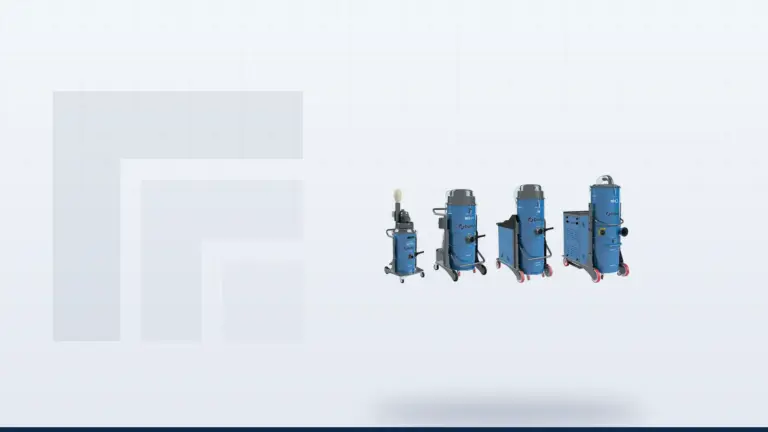
Most compounding plants need a combination: fixed capture where powder is released, vacuums close to the line, and a plan for overhead deposits. DUPUY describes ranges for the wood and plastics sectors that include on-board machine vacuums, dust collectors for suspended dust, mobile units and pneumatic conveyors.
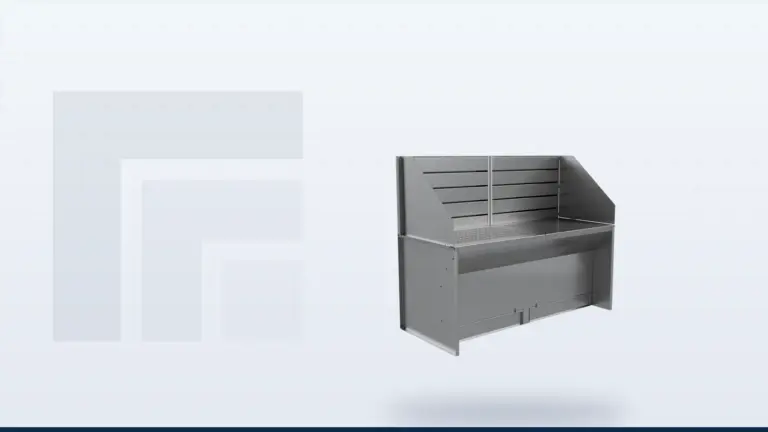
- Dust collectors or local extraction at bag tipping and feeder refill points, with explosion protection designed in where the powder is combustible.
- Stationary vacuum units on board a machine where one point is cleaned many times a shift.
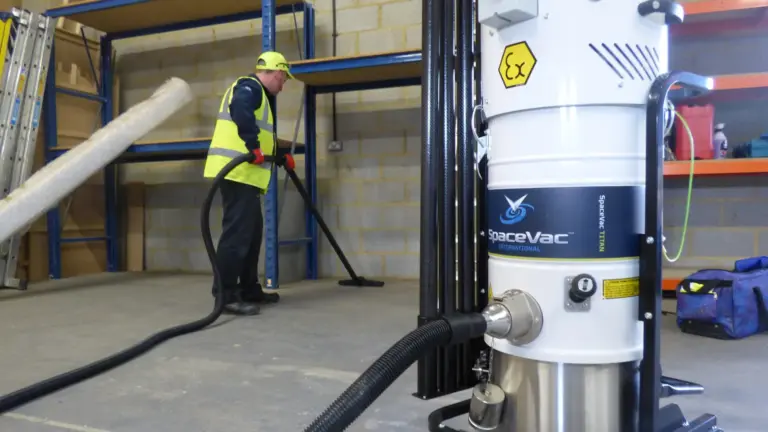
- Mobile industrial vacuums with suitable filters for floors, packing and spill response.
- A central vacuum network if many points are cleaned every shift; see central vacuum system specification.
- Conductive hoses and grounded tools for combustible powders; see antistatic hose and grounding.
- ATEX-certified models only where your assessment has documented zones, checked model by model.
- A ground-based way to remove dust from beams, ducts and roof structure.
AFE supplies DUPUY industrial vacuums, dust collectors and central vacuum systems through its industrial vacuum systems range, with replacement filters and hoses through MRO and consumables.

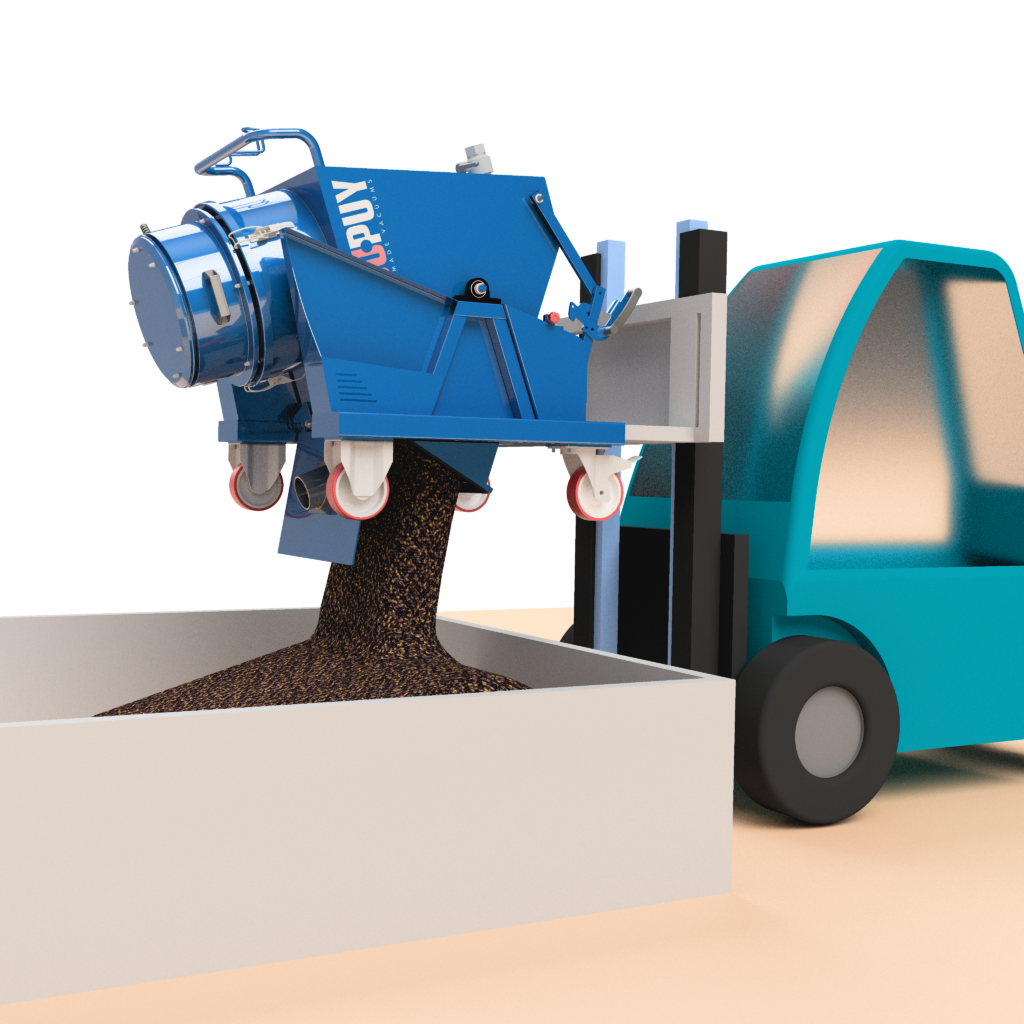
The film shows a high-capacity TANKVAC collection tank built for central vacuum systems; watch the forklift handling, because emptying collected material cleanly matters when spills are to be reused rather than discarded.
What should a supplier know before proposing equipment?
Give the supplier enough detail to size suction, filtration and discharge for your materials:
- The materials handled: polymer powders, pigments (especially carbon black), additives and pellet sizes.
- Safety data sheets and any dust test results; OSHA notes that testing, not the data sheet alone, establishes combustibility.
- The number of feeders, extruders and packing lines, and how many points are cleaned at once.
- How often colours or products change, and the cleanliness you need at release.
- Where collected material should go: back to process, regrind or waste.
- Any zone drawings or dust hazard analysis; see combustible dust hazard analysis.
- Photos of deposits above suspended ceilings, on beams and on ducts.
For layout reviews or ATEX questions, AFE’s consulting team can help, and rental units allow a trial on your own line.
How do you check that the plan is working?
Check results the same way every week, so drift shows early:
- Spill log: where pellets spill, how much, and whether trays and drain covers caught them.
- Colour complaints: specks or shade problems traced back to a line and a changeover.
- Hidden areas: deposits above ceilings, inside cable trays and on beams, inspected on a schedule.
- Filter readings: pressure across collector filters recorded and acted on.
Al Faisaliah Enterprises · Aqaba
Match equipment to your powders and pellets
Send your line layout, materials and changeover frequency. AFE proposes capture, spill and changeover cleaning equipment that fits your line.
Frequently asked questions
Can one industrial vacuum serve all colours on a masterbatch line?
It can, but only if hoses, tools and the collection container are cleaned or changed between colours, which takes time and is easy to skip. Many plants keep separate hoses or containers for strong pigments such as carbon black, or assign a vacuum to a line. Decide from your changeover frequency and the shade tolerance your customers accept.
Are polymer powders really an explosion risk?
Many can be. US OSHA lists plastics and resins among combustible dusts, and the CSB investigated a 2003 explosion fuelled by fine plastic powder that had built up above a suspended ceiling. Combustibility depends on the material and particle size, so OSHA expects testing rather than relying on the safety data sheet alone.
Can we return vacuumed pellets to the process?
Sometimes. Clean spills collected straight into a dedicated container may be suitable for reuse or regrinding, subject to your quality rules. Pellets swept from floors or mixed with other dirt usually are not. Plan the vacuum's discharge so clean spills and floor waste stay separate.
Does the EU pellet regulation apply to plants in Jordan or Saudi Arabia?
Regulation (EU) 2025/2365 applies to operators handling plastic pellets in the EU, so it is not law in Jordan, Saudi Arabia or Iraq. It is still a useful reference for good practice, especially for exporters to Europe whose customers may ask how pellet losses are prevented and cleaned up.
Sources and references
- Combustible Dust National Emphasis Program, CPL 03-00-008 · US OSHA
- West Pharmaceutical Services dust explosion and fire · US Chemical Safety Board
- CSB Combustible Dust Hazard Study, news release · US Chemical Safety Board
- Regulation (EU) 2025/2365 on preventing plastic pellet losses to reduce microplastic pollution · European Union
- Wood and plastic (industrial vacuum applications) · DUPUY
This article is general technical guidance. Equipment suitability, ATEX conformity and hygiene performance must be confirmed for each site and application.
Written for plant, maintenance, HSE and quality teams in Jordan, Saudi Arabia and Iraq.