The short answer
Iraqi plants should plan industrial cleaning equipment area by area, freeze the specification before ordering, and ship a first set of filters, hoses and wear parts with each machine. Because equipment and spares come through the Aqaba corridor, spares lists, utilities checks and rental for shutdowns or trials need to be agreed early, not after delivery.
Key takeaways
- USGS reports about 28 Mt of Iraqi cement output in 2020; each plant area needs its own equipment type.
- Freeze materials, duty, filter class and zone requirements before ordering through Aqaba.
- Ship the first filters, hoses and wear parts with the machine and set reorder points from real consumption.
- Use rental for shutdowns and trials; AFE states rental covers Iraq with maintenance included.
- Never assume a used unit is ATEX-suitable; check its own certificate and condition.
For a cement plant in Iraq, a missing filter cartridge or a worn hose can stop a vacuum system for longer than the job it was bought for. Equipment made in Italy or Sweden travels a long supply chain before it reaches site, and so does every spare part ordered after it arrives. The cost of a weak specification shows up months later, as downtime.
This buyer guide is for procurement and plant managers planning industrial cleaning equipment for Iraq: vacuums and dust collectors for cement dust, vacuum loaders for spillage, and dry steam for maintenance degreasing. It covers what each plant area needs, how supply through the Aqaba corridor changes the plan, which spares to hold, and when rental or certified used equipment is the better answer.
What does Iraq’s cement sector need from industrial cleaning equipment?
Iraqi cement plants need equipment matched to each area of the process, because a quarry conveyor, a coal mill and a packing line produce very different dust. The sector is large: USGS reports that Iraq produced about 28 million tonnes of cement in 2020, with the three state-owned cement companies holding a combined capacity of 16-17 million tonnes a year and private groups operating further plants.
| Plant area | Typical problem | Equipment category | Brand AFE supplies |
|---|---|---|---|
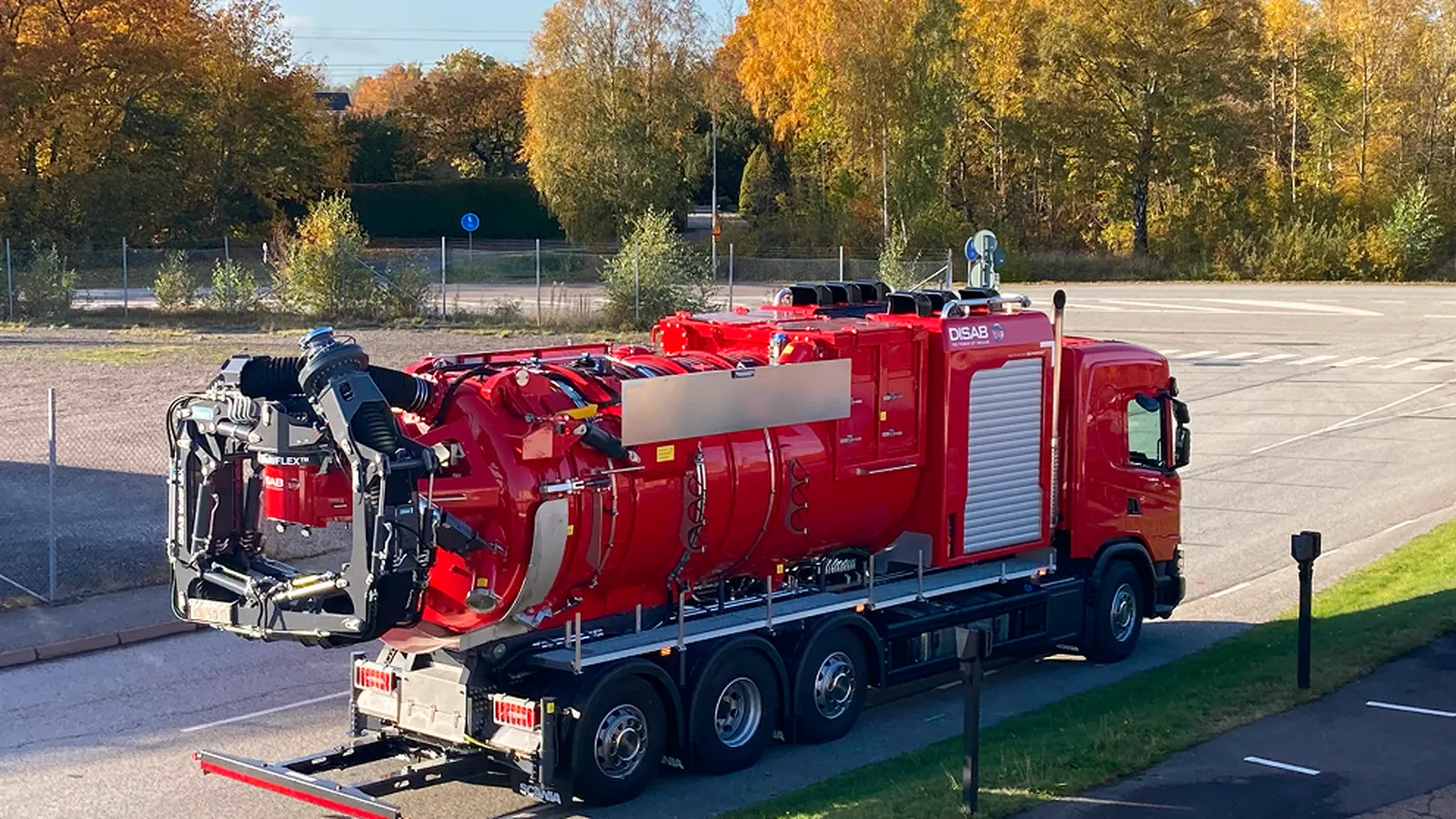
| Quarry, crusher and raw-material conveyors | Coarse and fine spillage under belts and transfer points | Vacuum loaders, portable or truck-mounted | DISAB |
| Raw mill, kiln feed and preheater platforms | Fine raw meal settling on floors, platforms and steelwork | Heavy-duty industrial vacuums or a central vacuum network | DUPUY |
| Coal mill and alternative-fuel handling | Combustible dust, if the site’s assessment classifies the area | ATEX-certified models only, matched per model to the zone | DUPUY (model-specific) |
| Cement mill, silos, packing and loading | Fine cement dust escaping at the source and settling nearby | Dust collectors at the source plus vacuum housekeeping | DUPUY dust collectors and vacuums |
| Maintenance workshops and gearboxes | Oil, grease and residues on machinery | Dry steam generators; oil and chip vacuums | TECNOVAP; DUPUY |
Each row has its own selection logic. Pairing capture with housekeeping in a packing plant, deciding when recovered spillage can return to the process and choosing between fixed and mobile vacuum layouts explain them in detail. DUPUY’s cement-industry page names conveyor belts and elevator pits, the mill area, bagging, loading and centralized dedusting, and offers ATEX-certified solutions for the alternative-fuel and coal zone.

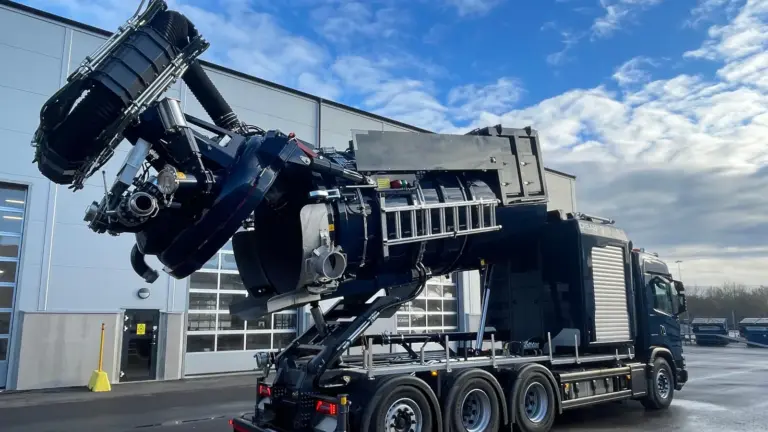
This older, low-resolution DISAB film shows a mobile vacloader working in the cement industry; watch how the hose is routed from the vehicle to the spill area.
How does supply through the Aqaba corridor change the buying plan?
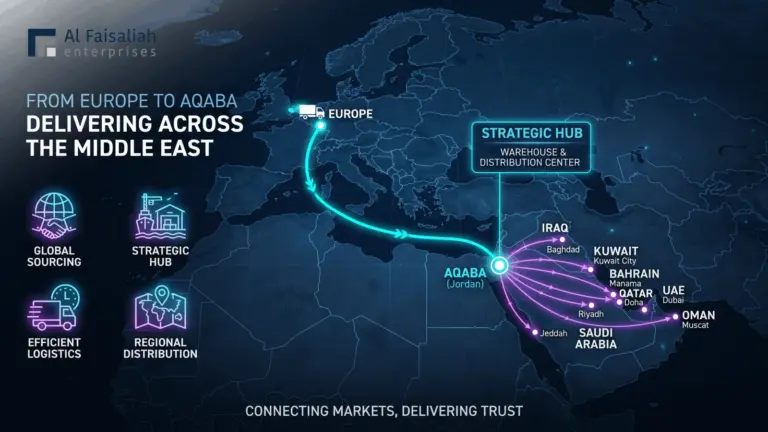
Supply through Aqaba makes the specification stage more important, because correcting a wrong choice after delivery takes longer than at a nearby warehouse. AD Ports Group describes Aqaba Multipurpose Port as a key transit point for the trade of Jordan’s neighbours, including Iraq, with an annual handling capacity of 11 million tonnes.

AFE is based in Aqaba and describes it as a hub between European manufacturers and markets in Jordan, Saudi Arabia and Iraq (see the Aqaba regional gateway). Transit routes, timings and import documents depend on the equipment and destination and are confirmed for each order. What the buyer controls is the plan:
- Freeze materials, duty, filter class and any hazardous-zone requirement before the order, not after delivery.
- Confirm the site’s power supply (voltage, frequency, phases), compressed-air availability and connection types against each machine.
- Ship the first set of filters, hoses and wear parts with the machine.
- Request manuals, parts lists and certificates before shipment so stores and maintenance can prepare.
Which spare parts and consumables should an Iraqi plant hold on site?
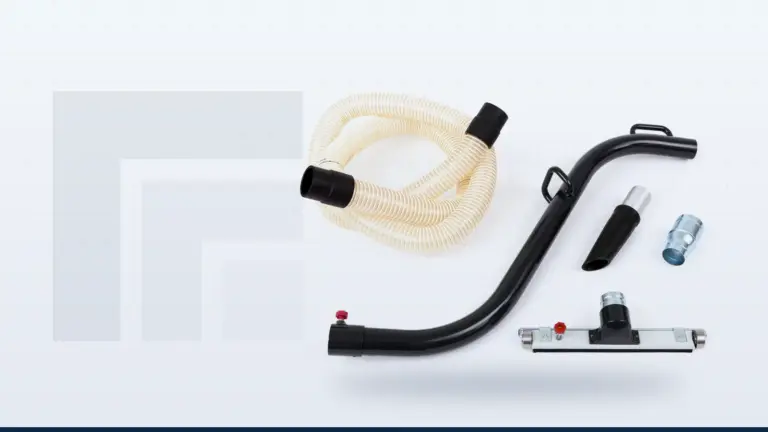
Hold every part whose failure stops the machine and whose replacement would take longer to arrive than the plant can tolerate. AFE lists genuine OEM spare parts for its supported brands, consumables such as filters, hoses and brushes, core components such as motors and drives, and preventative maintenance plans under MRO and consumables.
- List every machine. Collect the manufacturer’s manual and parts list for each unit, including model and serial number.
- Sort parts by role. Separate consumables (filters, bags, hoses), wear parts (nozzles, bends, wands) and critical components (motors, drives, seals).
- Log real consumption. Record filter changes, hose replacements and failures from the first months of use instead of guessing intervals.
- Set reorder points. Base minimum stock on consumption and on the supply time confirmed for each part.
- Review after shutdowns. Update the list after each major cleaning campaign, when wear is highest.
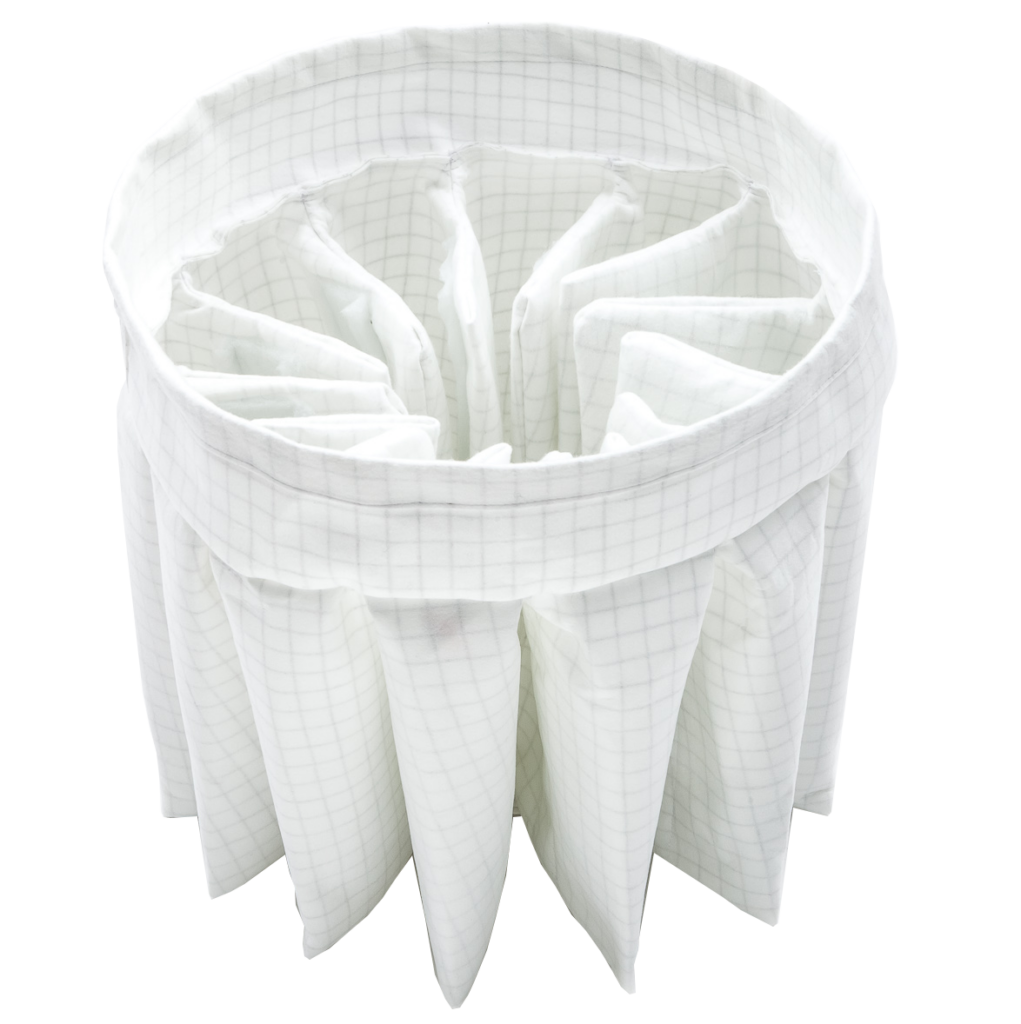
Cement dust is fine and abrasive, so watch for falling suction and rising filter resistance as early signs of a blocked filter, and inspect hoses and bends where material changes direction. DUPUY states that its DEDUST dust collectors use an automatic filter-cleaning system driven by compressed air, which makes a dry, reliable compressed-air supply part of the maintenance plan.
When does rental make more sense than buying for Iraqi sites?
Rental makes sense when the need is temporary, such as a kiln shutdown cleanup, or when a plant wants to test equipment on its own material before buying. AFE states that it offers short- and long-term rental across Jordan, Saudi Arabia and Iraq, with no capital commitment and with maintenance included (see equipment rental).
A trial also produces the data a purchase decision needs: real volumes, hose routes, emptying cycles and filter consumption. Whether a specific unit is available for your dates and location is confirmed per request, so ask early for shutdown work.
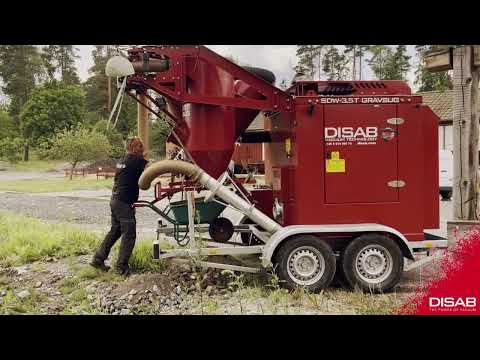
DISAB presents a trailer-mounted vacuum for suction and excavation; note the hose handling and how the unit is positioned beside the work area.
New, certified used or rented: how should procurement decide?
Decide by how often the task occurs, how critical the equipment is and how much documentation the application needs.
| Option | Fits when | Check before signing |
|---|---|---|
| New equipment | Daily or weekly tasks; classified zones; long service life expected | Specification, certificates, first-year spares |
| Certified used equipment | Budget is limited and the task is not in a classified zone, or the unit’s own ATEX certificate and condition are confirmed | Refurbishment record, warranty terms, parts availability |
| Rental | Shutdowns, campaigns, trials before purchase | Availability, dates, what maintenance covers, return condition |
AFE states that its certified used equipment is inspected, serviced and refurbished, with warranty options (see consulting and certified used equipment). Never assume a used unit is ATEX-suitable: check its own certificate, marking and condition.
Which buying mistakes cost Iraqi plants the most?
The most expensive mistakes come from treating a long supply chain like a local purchase. Each of the following is avoidable at the specification stage.
- Ordering from a catalogue on price before the material, duty and zones are known.
- Buying the machine without its first set of filters, hoses and wear parts, then waiting for them during a breakdown.
- Choosing one machine type for every area, so the packing plant and the quarry conveyor share a vacuum that suits neither.
- Using a standard vacuum in a coal or alternative-fuel area that the site has classified as hazardous.
- Fitting non-specified filters to keep a machine running, which can reduce filtration on fine cement or silica-bearing dust.
- Leaving rental requests for shutdown work until the shutdown dates are already fixed.
Planning equipment through Aqaba
- Define plant areas
- Freeze the specification
- Add a spares kit
- Plan delivery and handover
- Review wear data
What should an RFQ for industrial cleaning equipment in Iraq include?
An RFQ should describe each task, the material and the site conditions well enough that a supplier can commit to a model and a spares list. Include:
- Plant areas to be cleaned, with photos and a short description of the problem in each.
- Material data: safety data sheet, particle size, moisture, temperature and any silica or combustibility information.
- The site’s zone drawing for any area classified as hazardous.
- Duty: shifts, volume collected and number of operators cleaning at once.
- Utilities: voltage, frequency, compressed air and any restrictions on diesel equipment indoors.
- Commercial model: purchase, certified used or rental, and the delivery window.
- Spares: a request for a recommended first-year list with part numbers.
For maintenance degreasing, AFE also supplies TECNOVAP dry steam generators, and DUPUY vacuums and dust collectors are shown under industrial vacuum systems. Compare conditions in neighbouring markets in the Jordan guide for phosphate, potash and cement sites and the Saudi guide to specifying industrial vacuums, or browse the cement insights hub.
Al Faisaliah Enterprises · Aqaba
Plan equipment and spares for your Iraqi plant
Send AFE your plant areas, material data, utilities and delivery window. You get a proposal covering suitable equipment, a first-year spares list and rental options for shutdowns or trials.
Frequently asked questions
Can AFE deliver industrial cleaning equipment to sites in Iraq?
AFE is based in Aqaba and states that it serves Jordan, Saudi Arabia and Iraq with equipment sales, rental and services. Transit routing, timing and import documents depend on the equipment and the destination, so they are confirmed for each order. Give the site location, the required date and any site access restrictions when you request a proposal.
How many spare filters should we keep for each vacuum?
There is no single number. It depends on the dust, the hours of use, the filter type and how long a replacement takes to reach site. Start with the manufacturer's recommendation, log every filter change in the first months, and set a minimum stock that covers the confirmed supply time with a margin for shutdown campaigns.
Is it better to buy one large vacuum loader or several smaller industrial vacuums?
It depends on where the dust and spillage are. A loader suits large spill volumes within hose reach of a road or hardstand, while mobile industrial vacuums suit platforms, galleries and packing areas. Many cement plants use both, plus fixed pipework where the same points need cleaning every shift. Map the areas first, then size each solution.
Can we trial equipment before committing to a purchase in Iraq?
AFE offers short- and long-term rental for shutdowns, trials and temporary needs across Jordan, Saudi Arabia and Iraq. Availability of a particular unit for your dates and location has to be confirmed per request. A trial is useful because it produces real data on volumes, emptying cycles and filter consumption for the purchase specification.
Does certified used equipment come with a warranty?
AFE states that its certified used equipment is inspected, serviced and refurbished, and lists warranty options. The terms depend on the unit, so ask for the refurbishment record, the warranty scope and the availability of parts before you sign. For any hazardous-zone use, check the unit's own certificate and marking rather than its model name.
Sources and references
- 2020-2021 Minerals Yearbook: Iraq · U.S. Geological Survey
- AD Ports Group signs 30-year agreement with Aqaba Development Corporation · AD Ports Group
- Cement industry · DUPUY
- Industrial dust collectors for fine suspended dusts · DUPUY
- Mobile vacuum units · DISAB
This article is general technical guidance. Equipment suitability, ATEX conformity and hygiene performance must be confirmed for each site and application.
Written for plant, maintenance, HSE and quality teams in Jordan, Saudi Arabia and Iraq.