The short answer
Coal dust cleaning around cement coal mills should use vacuum equipment certified for the area's zone, with conductive bonded hoses, working from high to low on a fixed schedule. Compressed air and dry brushing of fines should be avoided. Collected coal should be emptied promptly, because fine coal dust can explode when dispersed and can self-heat in deposits.
Key takeaways
- Fine coal is the most explosible fraction, and ground kiln fuel is fine by design.
- Settled layers on beams and cable trays can fuel secondary explosions; inspect overhead as well as the floor.
- Use certified vacuums with bonded hoses; avoid compressed air and dry brushing of fines.
- Coal can self-heat: check for warm or smoldering deposits and empty collected dust promptly.
- ATEX suitability is per model and certificate, matched to each zone; never to a brand.
Most dust in a cement plant is mineral: raw meal, clinker and cement do not burn. The coal mill is the exception. Ground coal for the kiln burner is a fuel dust, and the fine fraction that escapes around the mill, the coal dust collector, the fine coal bin and the dosing feeders can burn, smolder and, when raised into a cloud, explode. Housekeeping routines that are acceptable beside a finish mill can be dangerous here.
Coal dust cleaning in this area therefore follows different rules: no compressed air, no dry sweeping that raises clouds, equipment matched to the zone, and collected dust that is not left to sit. This guide explains why coal dust behaves differently, where it collects in a coal grinding plant, which methods are acceptable, and what to check before buying DUPUY or DISAB equipment for the area. For the plant-wide picture, see cement plant housekeeping by area.
Why is coal dust in a cement plant a fire and explosion hazard?
Because coal is a combustible dust, and the finer it is ground the more readily it explodes. US OSHA lists coal and carbon among the dusts covered by its combustible dust programme. In U.S. Bureau of Mines tests published by NIOSH, particle size proved at least as important as volatility in determining the explosion hazard, and “for all coals tested, the finest sizes were the most hazardous” (Cashdollar, Coal Dust Explosibility). Coal ground for a kiln burner is fine by design.
Settled layers are the hidden part of the risk. EU Directive 1999/92/EC states that “layers, deposits and heaps of combustible dust must be considered as any other source which can form an explosive atmosphere.” The U.S. Chemical Safety Board notes that most fatalities in dust incidents it investigated were caused by secondary explosions, when a first event lifts settled dust into a cloud. Its fact sheet cites NFPA that a catastrophic explosion can follow from as little as 1/32 inch of dust over 5% of a room’s area; OSHA’s 2015 memo stresses that this figure rests on assumptions about bulk density, so it is a guide, not a universal limit.
Coal adds a second hazard: self-heating. In Bureau of Mines oven tests on U.S. coals, minimum self-heating temperatures ranged from 35 °C for a lignite and a high-volatile bituminous coal to 135 °C for two low-volatile bituminous coals (RI 9079). Those are laboratory results for specific coals, not values for your fuel, but they explain why deposits on warm casings and ducts in a hot climate deserve attention.
Where does coal dust collect around a coal mill?
It collects wherever coal is ground, separated, stored or dosed, and on every horizontal surface above and around those points. Each location carries a different concern:
| Location | What collects | Main concern |
|---|---|---|
| Raw coal feed, belt conveyors and transfer points | Coarse coal and spillage, with fines | Build-up under belts and around idlers and drives |
| Mill body, inlet and outlet ducts, classifier | Fine coal on casings, flanges and platforms | Deposits on warm surfaces; leaks at seals |
| Coal dust collector and its hoppers | Very fine coal at doors, hoppers and discharge | The finest fraction; layers near the filter housing |
| Fine coal bin, dosing feeders and weigh feeders | Fine coal at connections and inspection points | Fine dust near drives, motors and electrical panels |
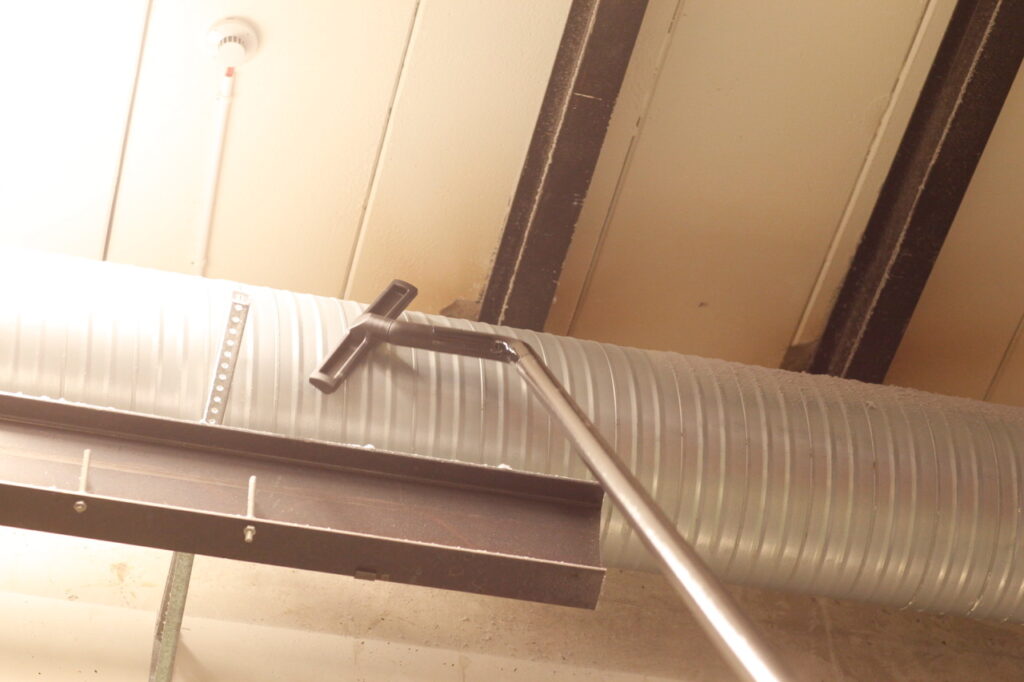
| Beams, cable trays, pipe racks and roof structure | Fine layers that settle out of the air | Fuel for a secondary explosion if disturbed |
Inspect the overhead structure as carefully as the floor. OSHA’s archived guidance on dust coverage says accumulations on overhead beams, joists, ducts and the tops of equipment should be included when the coverage area is assessed.
Which cleaning methods are acceptable for coal dust?
Methods that capture dust without raising a cloud are acceptable; methods that blow or sweep it into the air are not. OSHA states that accumulated dust layers can be removed “by vacuum cleaning, sweeping, and water wash-down methods,” and allows compressed air only for some dusts, with safeguards and less than 30 psi. OSHA’s guidance also says to use cleaning methods that do not generate dust clouds where ignition sources are present, and to use only vacuum cleaners approved for dust collection.
| Method | Use in a coal mill area | Conditions |
|---|---|---|
| Industrial vacuum certified for the zone | Main method for settled fines on floors, platforms and equipment | Certified model, conductive bonded hoses and tools, emptying procedure |
| Central vacuum network with ATEX components | Routine cleaning at fixed points across several floors | Every component certified for its zone; route and discharge designed for coal |
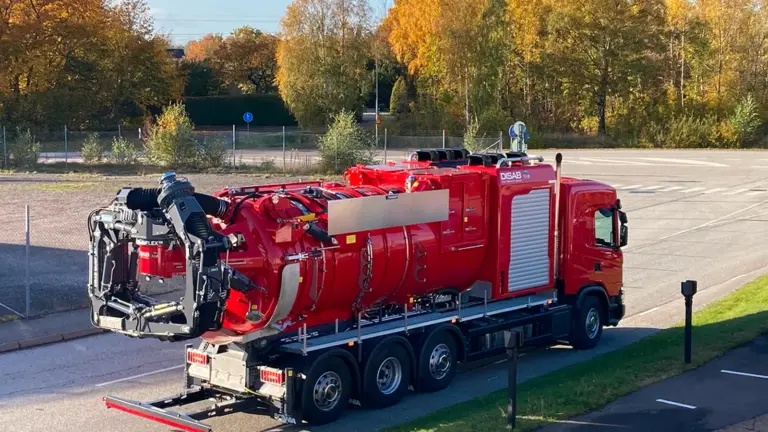
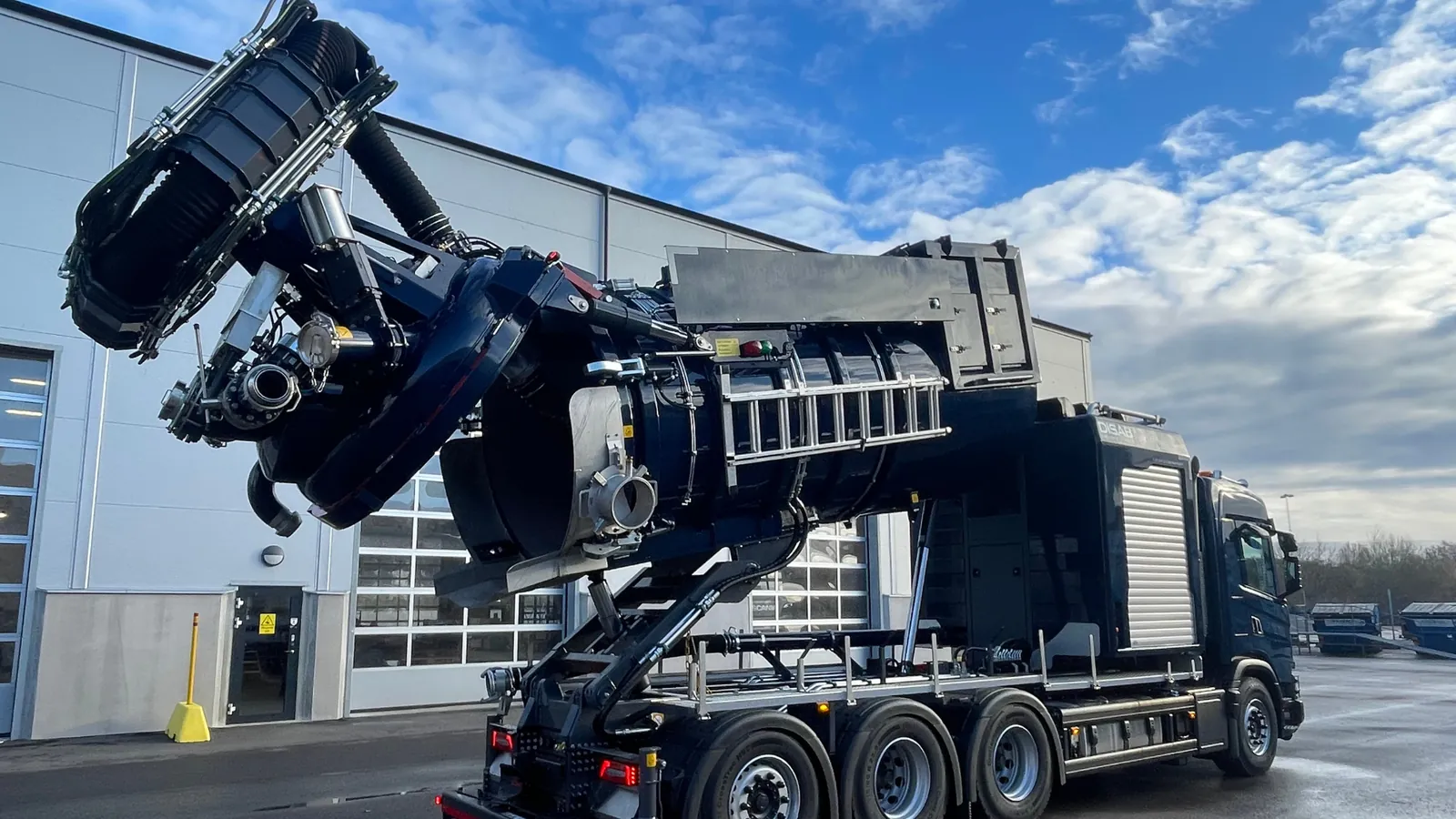
| Vacuum loader or truck for bulk spillage | Large spills of coarse coal at conveyors and stockpile transfers | Suitability for coal fines confirmed per model and filter; position outside classified areas where required |
| Gentle sweeping of coarse coal | Only for coarse spillage that raises no visible cloud | Never for fines; follow with vacuuming |
| Water wash-down | Limited; electrical equipment and wet coal residues complicate it | Site procedure; Bureau of Mines tests found that drying followed by humid air raised a coal’s self-heating tendency |
| Compressed air blow-down | Avoid | Lifts fines into a cloud and spreads them to overhead surfaces |
DUPUY’s cement industry page names “ATEX-certified solutions” for the alternative fuels and coal zone, and DISAB states that its centralised systems “are available with ATEX-approved options for sensitive areas.” Both statements describe options, not a property of every model; the certificate of the exact unit decides.
How should a coal dust cleaning routine run?
It should run on a fixed schedule, under the site’s permit and ignition-control rules, from high to low and with collected dust removed from the area the same day. A typical routine:
- Check the permit and conditions. Confirm no hot work is active nearby, the equipment is certified for the zone, and hoses and tools are bonded.
- Inspect for hot spots. Look for smoldering, warm deposits or smoke before disturbing any layer; a smoldering deposit is a fire to be handled under the site’s emergency procedure, not a cleaning task.
- Vacuum high to low. Clean beams, cable trays and pipe racks first, then platforms and equipment casings, then the floor.
- Collect spillage at conveyors. Recover coarse coal at transfer points and under belts, then vacuum the remaining fines.
- Empty the collected coal. Empty containers to the location the site procedure defines; do not leave coal dust standing in a vacuum container near heat.
- Record and report. Note where layers built up fastest and report leaking seals or doors to maintenance.
Coal mill housekeeping cycle
- Check permit and zone
- Inspect for hot spots
- Vacuum high to low
- Empty and record
A record of where dust builds up fastest is the best tool for preventing it, because the fix is often a seal, a door gasket or a transfer chute. US OSHA power-plant rules, written for coal handling, require that where coal handling may produce a combustible atmosphere, “sources of ignition shall be eliminated or safely controlled.”
What should you check before buying vacuum equipment for a coal mill area?
Check the zone, the certificate, the whole system and the emptying method before the brand. Under Directive 1999/92/EC the employer classifies the zones, and equipment category follows them: category 1 in Zone 20, category 1 or 2 in Zone 21, and category 1, 2 or 3 in Zone 22. A machine certified for Zone 22 cannot be used in a Zone 21 area. The zones themselves are explained in what dust zones 20, 21 and 22 mean.
- The zone drawing and explosion protection document extract for each area to be cleaned.
- Coal data: type, fineness, and explosibility and self-heating test results if available.
- The ATEX marking and EU-type examination certificate for the exact vacuum model, including the zone it may stand in.
- Conductive or antistatic hoses, wands and tools, and how they are bonded to earth.
- Filter type, how filters are cleaned and changed, and where the dust goes when the container is emptied.
- For vacuum loaders, where the unit stands, how long the hose run is and which parts are certified.

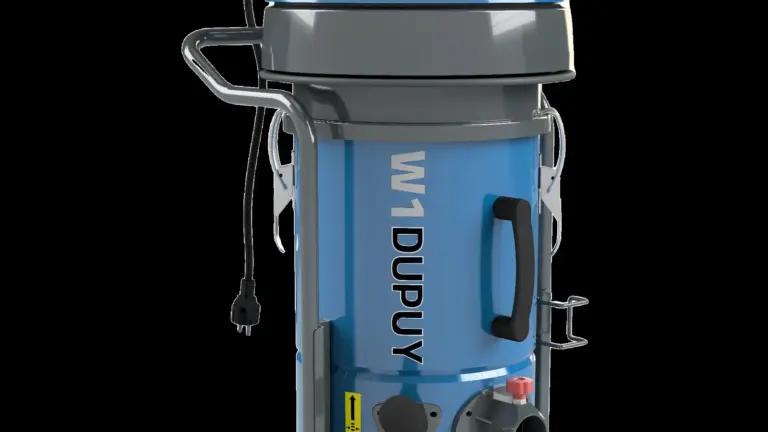
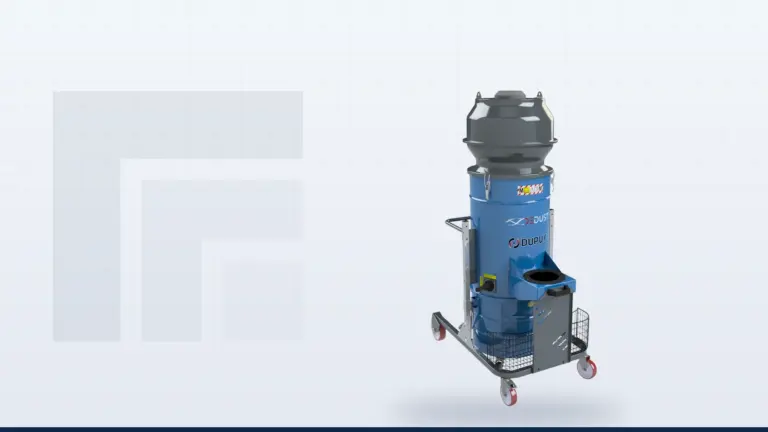
DUPUY presents the W2 XR as an ATEX 3D certified portable vacuum. Category 3 equipment is only for Zone 22, so watch the accessories and earthing, then check the certificate against your zone drawing.
How can AFE support coal dust cleaning in cement plants?
AFE supplies DUPUY industrial vacuums, including ATEX-certified models, and DISAB vacuum trucks and centralised systems for bulk recovery. Its consulting team supports process analysis, system design and ATEX compliance checks, and filters, hoses and wear parts are covered through MRO and consumables. Before selection, many plants find it useful to review the area with a dust hazard analysis; see what a combustible dust hazard analysis needs. More guides for cement producers are in our cement insights.
Al Faisaliah Enterprises · Aqaba
Get zone-matched equipment options for your coal mill
Send AFE your layout, zone drawings and coal data. You get DUPUY and DISAB options per zone and a list of any data still missing.
Frequently asked questions
Can we use our normal cement plant vacuum in the coal mill?
Only if it is certified for the zone of the coal mill area, with conductive bonded hoses and tools. Vacuums chosen for mineral dust often carry no ATEX certification, and DUPUY, for example, sells both ATEX-certified models and ACD models for non-classified areas. Check the marking and certificate of the exact unit against your zone drawing before it enters the area.
Why not blow coal dust off with compressed air?
Compressed air lifts fine coal into a cloud, which is the condition needed for an explosion, and spreads it onto beams and cable trays where it settles again. US OSHA allows compressed air only for some dusts, with safeguards and less than 30 psi, and its guidance favors cleaning methods that do not raise dust clouds where ignition sources exist.
What should we do with the coal dust we collect?
Empty it promptly to the location your site procedure defines, rather than leaving it in a vacuum container near heat, because coal can self-heat. Whether collected fines can return to the fuel system is a process decision for the plant. Bulk spillage recovered by a vacuum loader follows the same rule.
How often should coal mill areas be cleaned?
Set the frequency from how fast dust builds up, measured by regular inspection, not from a fixed figure. Record where layers form fastest, including overhead surfaces, and clean before they reach the level your site's assessment allows. Persistent build-up usually points to a leaking seal, door or chute that maintenance should fix.
What does AFE need to propose equipment for a coal mill area?
Zone drawings and an explosion protection document extract, the coal type and fineness with any test results, a layout with the areas and heights to be cleaned, the amount of spillage at conveyors, and power and space for the equipment. AFE can then propose DUPUY or DISAB options matched to each zone and list missing data.
Sources and references
- Coal Dust Explosibility (J Loss Prev Process Ind 1996) · NIOSH / U.S. Bureau of Mines
- Report of Investigations 9079: Spontaneous Combustion Studies of U.S. Coals · NIOSH / U.S. Bureau of Mines
- Combustible Dust National Emphasis Program, CPL 03-00-008 · US OSHA
- Drivers of Critical Chemical Safety Change: Combustible Dust (fact sheet) · U.S. Chemical Safety Board
- Directive 1999/92/EC on minimum requirements for improving the safety and health protection of workers potentially at risk from explosive atmospheres · EUR-Lex
- Cement industry · DUPUY
- Centralised vacuum systems · DISAB
This article is general technical guidance. Equipment suitability, ATEX conformity and hygiene performance must be confirmed for each site and application.
Written for plant, maintenance, HSE and quality teams in Jordan, Saudi Arabia and Iraq.