The short answer
Trim extraction removes edge trim at the knife with a pickup nozzle, conveys it through bonded ducting to a separator and collection point, and runs continuously with the line. Size it from material, trim width, line speed and simultaneous use. Use a machine unit for one line, a central network for several, and a mobile vacuum for slitter dust.
Key takeaways
- A trim extraction system has five parts: pickup, duct, fan or vacuum unit, separator and collection point.
- Line data comes first: material, trim width, line speed, lines running together and the route.
- Machine units suit single lines; central networks suit several lines feeding one baler or regrind point.
- Film builds static: use conductive, bonded ducts and hoses, and classify solvent areas.
- Vacuum slitter dust at roll changes instead of blowing it off with compressed air.
Every slitter rewinder, printing press, laminator and bag-making line in a converting plant cuts away a continuous edge strip. If that strip is not taken away as fast as it is produced, it wraps around rollers, snags the web, piles up beside the machine and turns a routine roll change into a stoppage. Slitting also leaves fine film particles and paper dust on frames, idlers and the floor.
Trim extraction removes the edge strip pneumatically at the knife, while the line runs, and carries it to a point where it can be collected, baled or reground. This guide explains how such a system is put together, which line data sizes it, when an integrated unit beats a central network, why static electricity changes the details, and what to send a supplier of DUPUY equipment.
What does a trim extraction system do at a slitter or printing line?
It picks up the edge trim at the cutting point, conveys it through ducting with a moving air stream, separates it from the air and discharges it into a collection point, continuously and in step with the line. Each part has its own job and its own questions:
| Part of the system | Function | What you must define |
|---|---|---|
| Pickup nozzle at the knife | Catches the trim as it leaves the web | Knife positions, trim width, and whether positions change with each job |
| Conveying duct and hoses | Carries the trim without snagging | Route, length, bends and how the duct is bonded to earth |
| Fan or vacuum unit | Produces the air flow that moves the trim | Running duty, noise limits and the space at the line |
| Separator and filter | Separates trim and dust from the conveying air | Dust load, filter cleaning method and where the clean air goes |
| Collection point | Receives the trim for baling, regrind or disposal | Container type, emptying frequency and whether trim is recycled |
Some systems cut long strips into short pieces before conveying them. Whether a cutter is needed, and whether it is part of the offer, is a question for the supplier and the line maker, because it depends on the material and the trim width.
How do manufacturers describe integrated extraction?
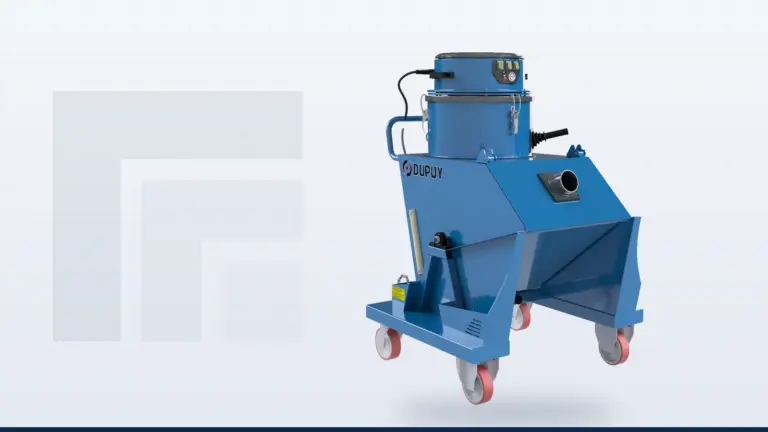
DUPUY presents extraction that is built into the production process rather than added afterwards. On its paper industry page, it says the process “continuously generates scraps” and offers vacuum units “to be installed on the machine” that aspirate “in a localized and continuous way.” For wood and plastics, it says the plastics sector generates “a considerable amount of by-products” and that its solutions are “perfectly integrated into your production line.” Its OEM page addresses machine builders that “need to integrate vacuum units into their production cycles” and lists fixed units on board of machines “able to treat light waste.”
None of these pages names edge trim, film or slitters, and none gives airflow figures. Treat them as the direction of the offer, then confirm the exact model, its duty and its fit at your line with DUPUY data before anything is ordered.
Integrated unit, central network or mobile vacuum: which fits?
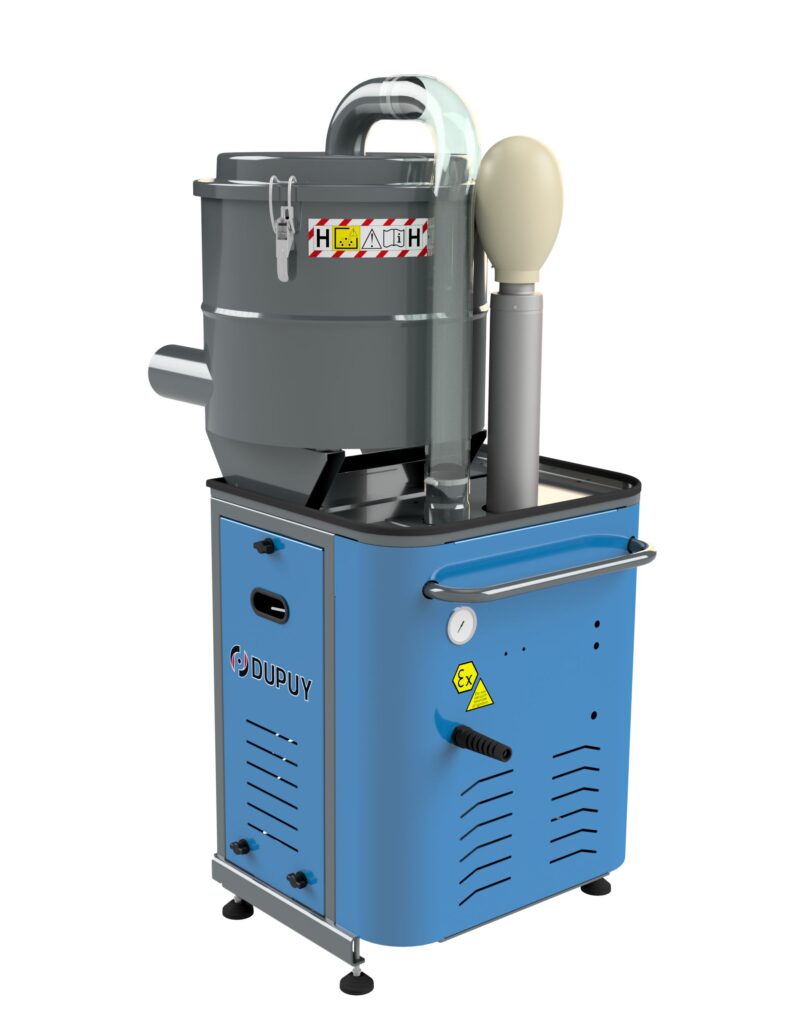
Use a unit integrated at the machine when one line produces continuous trim, a central network when several lines run at once in one hall, and a mobile vacuum for dust and spillage around the machines. Most plants need a mobile vacuum in addition to either fixed option.
| Option | Suits | Limits | Check before choosing |
|---|---|---|---|
| Unit on board or beside the machine | A single slitter or press with its own trim stream | One unit per line to maintain; space at the machine | Duty at the line’s top speed, noise, filter access |
| Central network with fixed pipes | Several lines running together; trim sent to one baler or regrind point | Pipe layout must follow the hall; every line depends on one unit | Number of lines running at once, pipe route, discharge method |
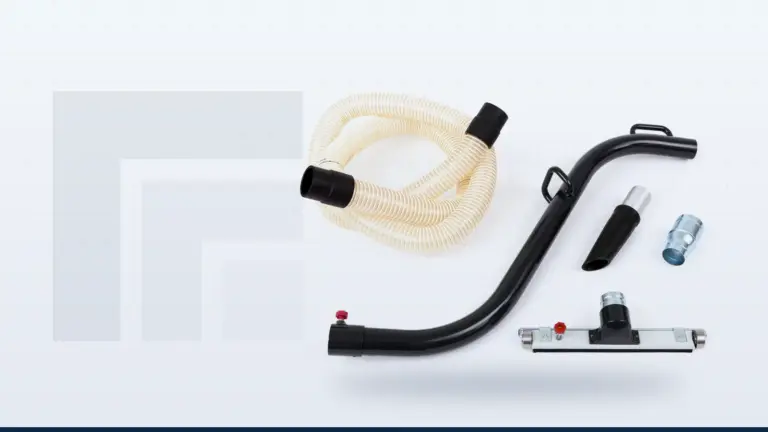
| Mobile industrial vacuum | Dust on frames and floors, roll changes, spillage | Not designed to carry continuous trim from a running line | Dust class, hose and tools, antistatic accessories |
DUPUY describes its central systems as moving material “through a series of fixed pipes” to a discharge point, with the suction unit “up to hundreds of meters” from the pickup points and discharge into containers or big bags. For how such networks are specified, see what a central vacuum specification needs; for the difference between capture at source and cleanup afterwards, see dust collector versus industrial vacuum.
What line data sizes trim extraction?
The system is sized by what each line produces and how fast, so the line data must come first. Collect it for every machine you want covered:
- Material. Film type, paper, board or laminate, with thickness range and any coatings or inks.
- Trim. Number of edges, trim width range and whether knife positions change between jobs.
- Speed. Normal and maximum line speed, and whether the line runs continuously or in short jobs.
- Simultaneous use. Which lines run at the same time, on which shifts.
- Route. Distance from each knife to the collection point, with a layout and photos of the space.
- Destination. Whether trim is reground, baled, sold or sent for disposal, and how clean it must stay.
- Environment. Solvent-based inks or adhesives in the area, and any hazardous area classification.
- Utilities. Power supply, compressed air for filter cleaning and noise limits in the hall.
With these answers, a supplier can propose air flow per pickup and a duct route instead of guessing, and you can compare offers on the same basis.
Why does static electricity matter in trim extraction?
Static matters because unwinding, slitting and conveying plastic film builds up electrical charge, which makes trim cling to ducts and machine parts and holds fine dust on surfaces. Where solvent-based inks or adhesives are used, a static discharge can also become an ignition source.
The UK HSE names “fire and explosion in flexographic and gravure printing due to flammable inks” among the particular risks in printing. Its listed controls include “avoid static generation eg limit liquid flow speeds, provide earth bonding, anti static additives & footwear,” keeping solvent vapor below 25% of the lower explosion limit, and a hazardous area classification (HSE, fire and explosion risks in printing). For dust systems, US OSHA guidance expects ductwork to be “conductive, bonded, and grounded to dissipate static accumulation.”
For trim extraction this means conductive or static-dissipative ducts and hoses, bonding across every joint, and coordination with any static eliminators the line maker has fitted. The details are covered in antistatic vacuum hose and grounding.
How should slitter dust be cleaned between runs?
Slitter dust should be vacuumed, not blown off, at each roll change or shift end, so it does not build up on frames or reach the next roll. US OSHA lists paper and plastics among dusts that can be combustible and allows compressed air only for some dusts and with safeguards. A short routine works best:
- Stop and secure the line. Follow the line’s lockout procedure before reaching near knives or rollers.
- Check the trim pickups. Clear any trim caught at nozzles or duct entries and look for wrapping on rollers.
- Vacuum high to low. Clean frames, idlers and guards first, then the floor beneath the line.
- Empty and check the collector. Empty the trim container as planned and check the filter pressure reading if one is fitted.
- Record problems. Note blockages and trim breaks so the pickup position or air flow can be corrected.
Setting up trim extraction
- Collect line data
- Choose pickup and route
- Bond and ground
- Verify at full speed
Acceptance should happen at full line speed with the widest and narrowest trim you run, because a system that copes at low speed may block at the top of the range.

DUPUY presents the DEDUST ELF range for centralized extraction of dry, light and fine material. It is a dust collector film, not trim footage: use it to see the collector side of a network, and ask whether trim needs its own conveying fan and separator.
How can AFE support trim extraction projects?
AFE supplies DUPUY industrial vacuums, dust collectors and central vacuum systems, and its engineering and consulting team supports system design and ATEX compliance checks for converting halls. Filters, hoses and wear parts come through MRO and consumables, and a rental vacuum can cover housekeeping while a fixed system is being designed. More guides for manufacturing plants are in our industrial insights.
Al Faisaliah Enterprises · Aqaba
Get trim and dust collection options per line
Send AFE your line list, trim widths, line speeds and hall layout. You get DUPUY options for each line and a list of any data still missing.
Frequently asked questions
Can an industrial vacuum cleaner remove edge trim from a running slitter?
A mobile vacuum is designed for intermittent cleaning, not for carrying a continuous trim stream for a whole shift. Continuous trim needs a pickup at the knife connected to a unit sized for the line's duty, either at the machine or on a central network. The mobile vacuum stays useful for dust, spillage and roll changes around the line.
Can one central system serve several slitters and presses?
Yes, if it is sized for the lines that run at the same time and the pipe route suits the hall. DUPUY describes central systems that move material through fixed pipes to a discharge point far from the pickups. The trade-off is that every connected line depends on one unit, so plan maintenance, spare parts and a fallback.
Does trim extraction help with static on film lines?
It removes charged trim from the machine, but the extraction system itself must not add a static hazard. Use conductive or static-dissipative ducts and hoses, bond every joint to earth, and coordinate with any static eliminators the line maker has fitted. In solvent printing areas, follow the hazardous area classification for every component.
Can extracted film trim be reground and reused?
Often it can, if it stays clean and unmixed, but that depends on the material, inks, coatings and your recycling route. Tell the supplier where the trim goes, because a regrind destination affects the separator, the collection container and how dust and foreign material are kept out of the trim.
What does AFE need to propose DUPUY equipment for our converting lines?
A list of lines with material, trim widths, line speeds and knife positions, which lines run together, a layout with distances to the collection point, the trim destination, power and compressed air available, and any hazardous area classification for solvent inks or adhesives. AFE can then propose DUPUY options per line and list missing data.
Sources and references
- Paper industry · DUPUY
- Wood and plastic industry · DUPUY
- OEM machine manufacturers · DUPUY
- Centralized vacuum systems · DUPUY
- Fire and explosion risks in printing · Health and Safety Executive (UK)
- Combustible Dust National Emphasis Program, CPL 03-00-008 · US OSHA
This article is general technical guidance. Equipment suitability, ATEX conformity and hygiene performance must be confirmed for each site and application.
Written for plant, maintenance, HSE and quality teams in Jordan, Saudi Arabia and Iraq.