The short answer
Between collection and disposal or reuse, mining residues should be kept segregated by stream, contained and labeled, classified under the site's permits and national rules, and given a documented destination before a licensed party moves them. Vacuum systems handle the first part, clean and contained collection, and should be configured to make the later steps easier.
Key takeaways
- Vacuum collection is the first link in the waste chain; classification, transport and disposal are separate, regulated steps.
- Segregate at the nozzle: one tank or container per residue stream keeps recoverable material recoverable.
- Choose the discharge format, whether tipping tank, skip, bag or hooklift container, around how each stream is handled next.
- Classification needs representative samples and the site's own rules; the vacuum supplier does not classify waste.
- Record source, quantity, classification and destination for every load.
On a mining or mineral processing site, residues collect in many places: spillage along conveyors, dust in crushing, screening and bagging buildings, sludge in sumps and drains, and fines captured by dust collectors. Environmental managers are judged not only on how cleanly that material is picked up, but on where it goes next and whether every load can be traced.
Mining waste management vacuum systems, from truck-mounted vacuum loaders to portable units and fixed collection networks, are very good at the first step. This explainer covers what happens between collecting a residue and its disposal or reuse, which steps belong to the site and its licensed contractors, and how equipment choices can make each later step easier.
Where do mining waste management vacuum systems fit in the chain?
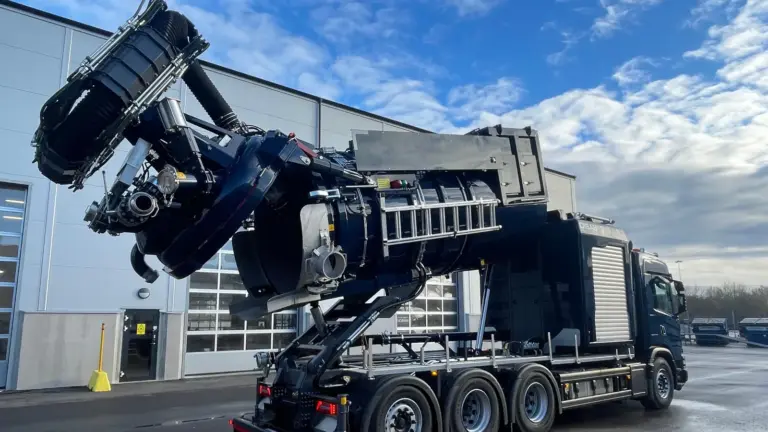
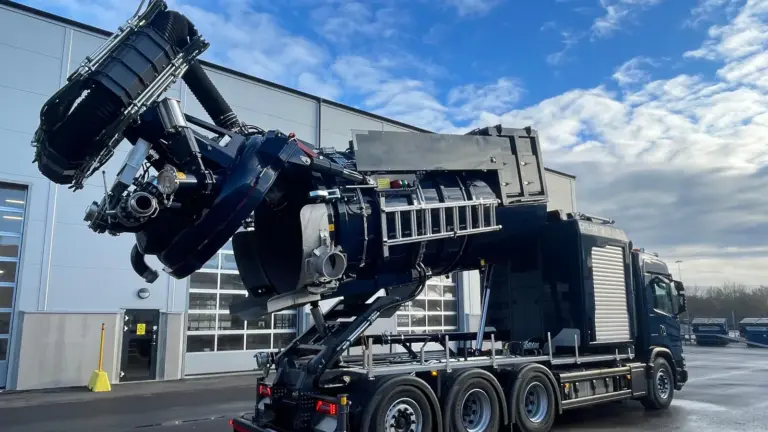
Vacuum systems sit at the front of the chain: they collect and contain residues where they are generated, and every later step depends on how well that was done. DISAB, whose equipment AFE supplies, describes its role as helping industries remove, recover and often recycle dust and waste material. That wording marks the boundary well. The equipment removes and contains; whether a load is recovered, recycled or disposed of depends on the material and on who will accept it.
A complete chain usually has six stages: generation, collection, segregation and containment, classification, the destination decision, and handover to licensed transport and treatment.
From nozzle to destination
Which residue streams should a mining site list first?
Start with an inventory of residue streams, because each may need its own collection method, container and destination. At the scale of Jordan’s phosphate and potash industries, which USGS estimates at 12.0 million tonnes of phosphate rock and 1.8 million tonnes of potash (K2O) in 2025, residues are worth managing stream by stream rather than as one heap.
| Residue stream | Typical collection | Container or discharge | Needed for the destination decision |
|---|---|---|---|
| Conveyor and transfer-point spillage | Vacuum loader or portable unit | Tipping tank, skip or return to belt | Is it a single, uncontaminated material? |
| Settled dust on floors and equipment | Industrial vacuum with a suitable filter class | Bags or closed containers | Composition, silica content, combustibility per site assessment |
| Dust on roof steel and overhead services | Ground-based high-level vacuum cleaning | Vacuum container, then closed bags | As for settled dust |
| Wet sludge from sumps, pits and drains | Vacuum loader suited to wet material | Sealed tank | Water content, chemistry, need for dewatering |
| Dust collector and filter discharge | Fixed connection or portable unit | Big bags or sealed containers | Whether it matches product chemistry |
| Mixed debris: packaging, timber, metal | Sorted by hand; vacuum only for the fines | Separate skip | Normally excluded from recovery streams |
For overhead structures, planning high-level dust removal in mining facilities explains how that dust is surveyed and collected from the ground.
Why should segregation start at the nozzle?
Segregation has to start at the nozzle because streams mixed in one tank are rarely separable afterwards, and a mixed load may have to be managed as its most restrictive component. These rules keep streams apart:
- One stream per tank load or container; empty before switching.
- Clean the tank, separator and hose before collecting recoverable material after waste duty.
- Label containers at the point of filling, not later in the yard.
- Keep wash water out of dry streams; adding water changes both handling and classification.
- Keep packaging, timber and metal out of vacuum streams intended for recovery.
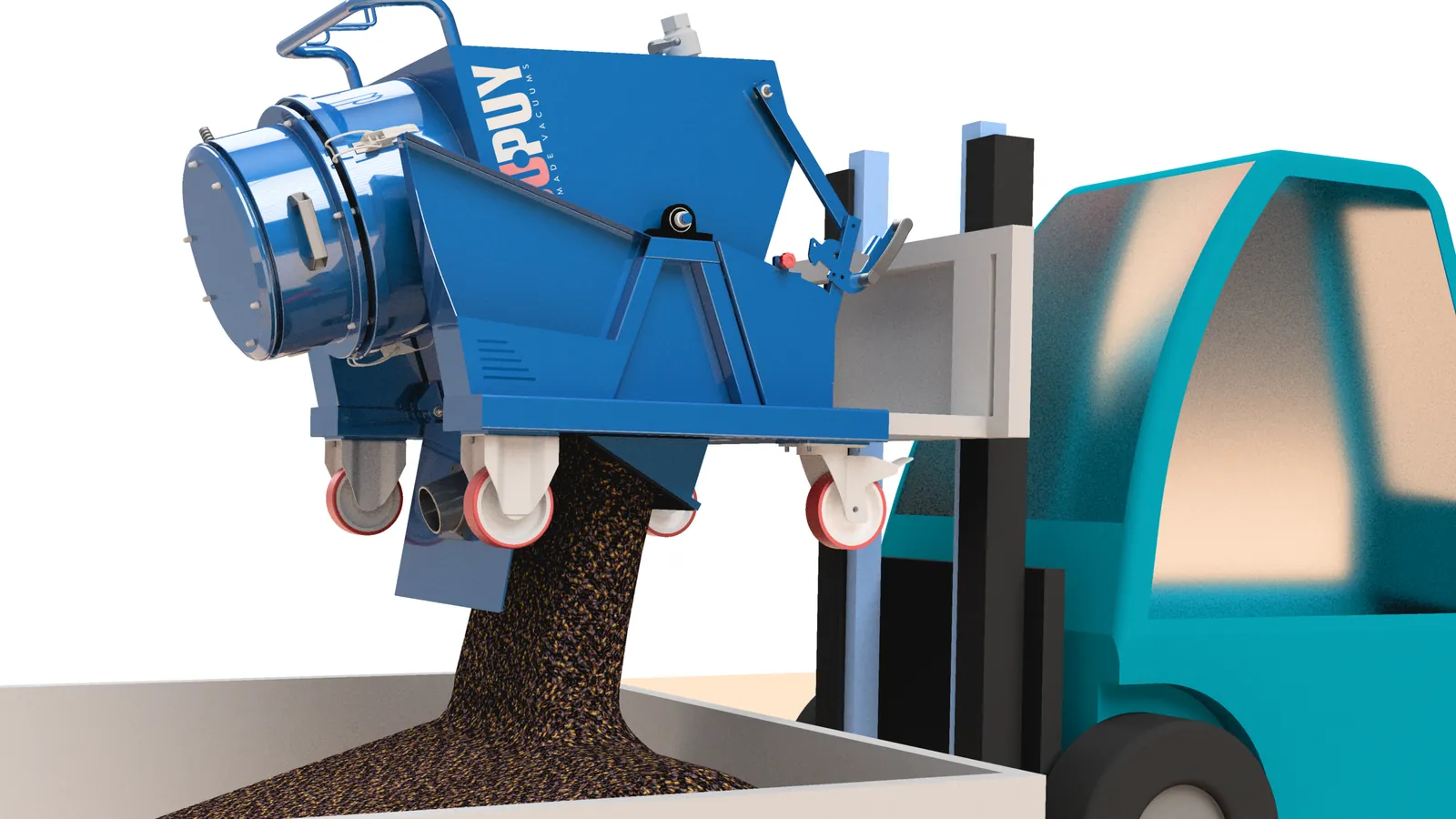
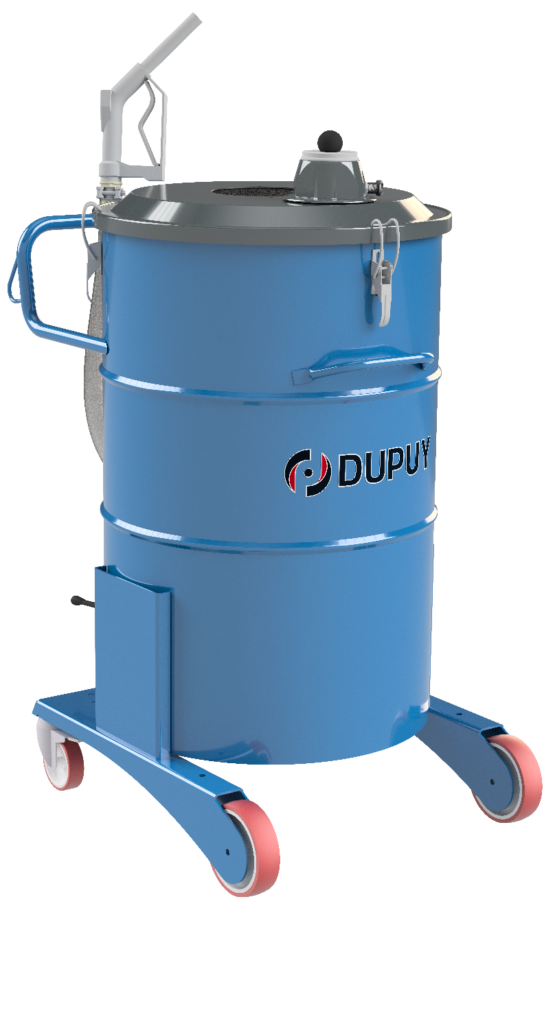
Container format helps. DISAB’s portable range includes bag-, skip- and container-based units (BagVAC, SkipVAC and CompVAC) and the RoRoVac SEL on a hooklift frame, and its mobile range includes the TrailerVAC, so different streams can go into different receptacles from the start.
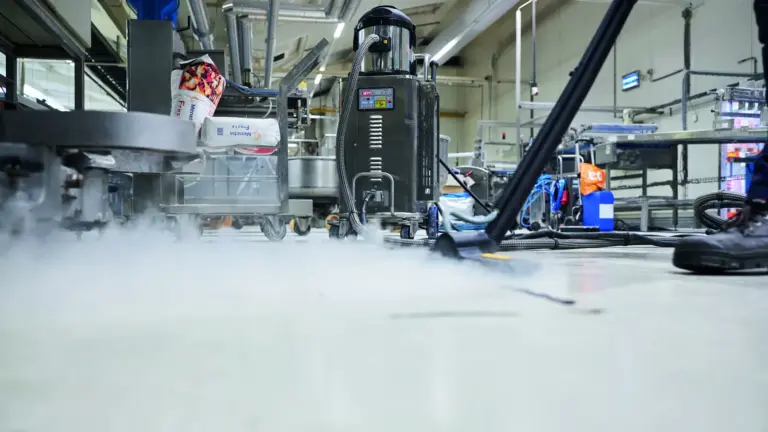
Collection method also matters for the people doing it. As a US reference, OSHA’s respirable crystalline silica standard does not allow dry sweeping where it could contribute to exposure unless wet sweeping, HEPA-filtered vacuuming or other low-exposure methods are not feasible. Ask for the filter type and class of any unit used on fine dust, because DISAB’s product pages do not state one.
How are mining residues classified before disposal or reuse?
Classification is the site’s responsibility. It rests on representative samples, the material’s known chemistry and the national environmental rules and permits that apply to the operation, and it decides how each stream may be stored, moved and treated.
The vacuum system cannot classify anything, but a good collection record makes classification faster and more reliable:
- Where and when the residue was collected, and by which unit.
- Approximate quantity, by volume or weight.
- Whether water, cleaning agents or other material entered the tank.
- Whether the load is a single stream or a known mixture.
Samples should come from the filled container rather than the original floor pile, so that they represent what will actually leave the area.
What destinations are possible after collection?
Each classified stream ends in one of three places: back in the process, in an approved reuse or recycling route, or at a licensed treatment or disposal facility.
- Return to process. Clean, single-material spillage may go back to a belt, stockpile or plant feed when the process owner accepts it. The cement equivalent is covered in assessing recovery of cement process spillages.
- Reuse or recycling. Some residues have a use elsewhere; on its industries page, DISAB says customers in the aggregate industry recover and reuse dust and larger debris. Acceptance depends on the receiving user’s specification.
- Treatment or disposal. Residues that cannot be recovered go to a facility authorized for their classification, moved by a licensed transporter.
- Record and close out. Each load gets a record linking source, classification, quantity, destination and receiver.
Who is responsible at each step?
Responsibility shifts along the chain, and most problems arise where nobody owns a handover. Agree the split below before collection starts.
| Step | Usually responsible | What the vacuum equipment contributes |
|---|---|---|
| Collection | Site operations or its cleaning contractor | Contained pick-up with less airborne dust and manual handling |
| Segregation and containment | Site operations | Separate tanks, bags, skips or containers per stream |
| Classification | Site environmental team, with an accredited laboratory where needed | Collection records and representative, filled containers to sample |
| Destination decision | Site management, within its permits | A discharge format that suits the chosen destination |
| Transport and treatment | Licensed transporter and receiving facility | Nothing directly; this sits outside the equipment supplier’s scope |
Writing this split into the site’s waste procedure also makes it clear to cleaning crews which containers they may fill, and which loads must wait for a classification result.
Which equipment choices make the later steps easier?
The vacuum system’s configuration decides how a residue arrives at its next step, so choose it with the destination in mind.
- Discharge format: tipping body, skip, bag or hooklift container, matched to how the next party receives material.
- Wet and dry duty: units that handle both, such as the trucks DISAB describes for wet and dry materials, still need emptying and cleaning between streams.
- Filtration: ask for the filter type and class for fine or hazardous dust.
- Temperature: DISAB states that its centralized systems can handle hot materials up to 600°C.
- Hazardous areas: DISAB offers ATEX-approved options for its centralized systems; suitability is model-specific and must match the site’s zone classification.
- Dangerous goods: DISAB lists ADR versions of some trucks. That matters only if a residue is classed as dangerous goods and a licensed operator will carry it on public roads.

In the walkthrough, look at the tipping tank and hose reels, and ask how that tank would be emptied at your own destination point.

For enclosed areas, note that DISAB presents the e-Futurion Q10 as an electric vacuum loader able to work indoors, in tunnels and in rock caverns.
What should an environmental manager document?
A short, consistent record per load is what turns vacuum collection into auditable waste management.
- Stream name and collection point.
- Date, shift and unit used.
- Estimated volume or weight.
- Anything added to the tank, such as water.
- Classification reference: laboratory report or site rule.
- Destination, receiver and licensed transporter.
- A photo of the filled, labeled container before dispatch.
AFE’s role sits upstream of that record. It supplies DISAB vacuum loaders and heavy-duty vacuum systems, helps define collection layouts through process analysis and system design, supports equipment with spare parts and filters, and brings equipment into the region through its Aqaba gateway. For selecting equipment at conveyor spill points, see recovering conveyor spillage at a mining site; more sector articles are on the mining insights hub.
Al Faisaliah Enterprises · Aqaba
Match collection equipment to each residue stream
Share your residue inventory and the destination of each stream. AFE proposes vacuum configurations and discharge formats that keep streams separate and make handover easier.
Frequently asked questions
Does AFE collect, transport or dispose of mining waste?
No. AFE supplies vacuum equipment, selection advice, spare parts and consulting on collection layouts. Transport, treatment and disposal of residues are carried out by the site and by contractors licensed under the rules that apply in Jordan, Saudi Arabia or Iraq. AFE can help you choose equipment whose discharge format suits the contractor who receives the material.
Can one vacuum loader handle both wet sludge and dry dust?
Some units are designed for both; DISAB describes several of its trucks for wet and dry materials. Using one unit for both streams is possible, but it must be emptied and cleaned between them, and filter condition should be checked after wet work. If streams change several times a day, separate containers or a second unit may be simpler.
Who decides whether a residue counts as hazardous?
The site does, based on sampling, laboratory analysis, the material's known chemistry and the national rules and permits that apply. The equipment supplier provides data on the vacuum system, not a classification. A clear collection record showing source, quantity and anything added to the tank makes the classification work faster and more reliable.
Do we need an ADR-rated vacuum truck?
Only if a residue is classified as dangerous goods and the vehicle will carry it on public roads. DISAB lists ADR versions of some trucks, such as models it describes for dangerous goods. Check the requirement with your licensed transporter and the relevant authority before specifying; for on-site collection only, ADR may not be relevant.
Can vacuum-collected dust be recycled or reused?
Sometimes. DISAB says its equipment helps industries remove, recover and often recycle dust and waste material, but reuse depends on contamination, chemistry and the receiving user's specification. Keeping each stream separate from collection onward, and documenting its source, gives recovered dust the best chance of being accepted.
Sources and references
- Industries · DISAB
- Our vacuum trucks · DISAB
- Portable vacuum units · DISAB
- Centralised vacuum systems · DISAB
- Mineral Commodity Summaries 2026: Phosphate rock · U.S. Geological Survey
- Mineral Commodity Summaries 2026: Potash · U.S. Geological Survey
- 29 CFR 1910.1053 Respirable crystalline silica (general industry) · US Occupational Safety and Health Administration
This article is general technical guidance. Equipment suitability, ATEX conformity and hygiene performance must be confirmed for each site and application.
Written for plant, maintenance, HSE and quality teams in Jordan, Saudi Arabia and Iraq.