The short answer
Crushing plants should clean fines under and around crushers during planned stops, with the crusher, feeder and conveyors locked out and blocked against motion. Work from the top down, recover the fines with a heavy-duty vacuum rather than sweeping or compressed air, keep clean fines separate for reuse, and inspect liners and seals while the area is clean.
Key takeaways
- Treat crusher cleaning as maintenance: stop, isolate, lock out and block the crusher, feeder and conveyors before anyone reaches in.
- Map the feed, deck, discharge chute, underpan, drive and overhead structure separately; each has its own access problem.
- Vacuum recovery removes fines instead of moving them, unlike dry sweeping or compressed air.
- Choose portable, mobile or centralised DISAB equipment by distance, volume and cleaning frequency, and trial it on your own fines.
- Record volume, time and source at every stop so cleaning drives fixes to liners, seals and feeders.
Every crushing plant knows the pattern: fines pile up under the discharge of the primary crusher, drift onto the underpan and belt feeder, coat the drive guards and settle on beams and walkways around the secondary and tertiary crushers. Left alone, the build-up chokes chutes, buries rollers and turns every inspection into a shovelling job.
Crusher dust cleaning is a different task from cleaning a conveyor run. The material collects in and around a machine that can start, coast or move when people least expect it, and much of it sits in confined pockets below the crusher. This guide explains where fines accumulate, why lockout comes before any cleaning, which recovery method suits which material, and what AFE needs to recommend equipment for your crusher house.
Where do fines build up around a crusher?
Fines build up wherever material leaves its intended path: at the feed, at the discharge, under the machine and on the structure around it. Each zone has its own access problem, so map them separately before choosing a method.
| Zone | What builds up | Why it matters | Usual recovery approach |
|---|---|---|---|
| Feed hopper, apron or vibrating feeder | Spilled lumps and fines over the hopper lip and around the feeder skirts | Blocks walkways and access to the feeder drive | Shovel the coarse material, then vacuum the fines from the deck |
| Crusher top and deck | Fines thrown up during crushing, settled on the deck and guards | Hides cracks, loose bolts and guard damage during inspection | Vacuum with hand tools while the crusher is locked out |
| Discharge chute and underpan | Packed fines below the crusher, often damp or caked | Restricts discharge, buries the belt feeder tail and is hard to reach | Heavy-duty vacuum with a long hose and stiff nozzles, after isolation |
| Drive, motor base and guards | Fine dust on belts, guards and motor cooling fins | Overheating and hidden wear; tempts people to open guards | Vacuum the outside of guards; never remove guards with the drive live |
| Beams, platforms and the building structure | Airborne fines that settle on horizontal surfaces | Falls back onto people and equipment; adds to housekeeping load | Planned overhead cleaning from the ground or from safe platforms |
DISAB lists “heavy dust accumulation around conveyors and crushers” and “difficult-to-reach areas needing manual cleanup” among the common challenges in aggregate handling. That matches what most plant engineers see: the hard part is not the volume, it is getting at it safely.
Why does crusher dust cleaning start with lockout?
It starts with lockout because most serious crusher injuries during cleaning happen when someone reaches into a machine that is still running or can still move. Cleaning near a crusher is maintenance work and should be treated that way.
U.S. mine safety investigations show the pattern. In a 1998 case at a sand and gravel operation, MSHA found that “the practice of cleaning debris from the discharge chute while the crusher was operating” contributed to a fatal entanglement in an unguarded crusher drive. In a 2003 case, a worker died trying to clear a jammed rock from a running impact crusher with a pry bar; MSHA concluded that the crusher had not been shut off, declutched or “blocked to prevent hazardous motion prior to performing work”. The U.S. rule for surface mines, 30 CFR 56.14105, requires repairs or maintenance to be done “only after the power is off, and the machinery or equipment blocked against hazardous motion.” These are U.S. references, not Jordanian, Saudi or Iraqi law, but the principle is universal.
Guards stay on during cleaning. If dust on a drive needs removing, vacuum the outside of the guard or remove the guard only under lockout. The same lockout logic applies to the conveyors that feed and drain the crusher, which is covered in conveyor spillage cleanup.
Which crusher dust cleaning method suits each material?
The method depends on whether the fines are dry and free-flowing, damp and sticky, or mixed with coarse rock, and on whether you want to return them to the process. Sweeping and compressed air move dust rather than remove it.
The UK Health and Safety Executive notes that dry sweeping “quickly produces high peak exposures of around 1-2 mg/m3” in construction dust work and that the dust re-settles. For crystalline silica, the U.S. OSHA general-industry standard restricts dry sweeping or brushing where it could contribute to exposure “unless wet sweeping, HEPA-filtered vacuuming or other methods that minimize the likelihood of exposure are not feasible”. OSHA also notes that respirable crystalline silica is created when crushing stone and rock, so crusher fines from quartz-bearing rock deserve that caution.
- Dry, free-flowing fines: vacuum recovery into a bag, skip or tank; the cleanest option when the material may go back to the process.
- Damp, caked or sticky fines: break up packed deposits by hand tool under lockout, then vacuum; check that the unit and hose are rated for wet material.
- Coarse rock mixed with fines: remove large lumps by hand or loader first; a vacuum nozzle should not be used as a rock breaker.
- Water washing: possible where drainage and the process accept slurry, but it moves the problem into sumps; see vacuum loaders versus water washing.
- Combustible material: if the crusher handles coal or another combustible product, the dust hazard and any zone classification must be assessed before selecting a vacuum.
What equipment recovers fines under crushers?
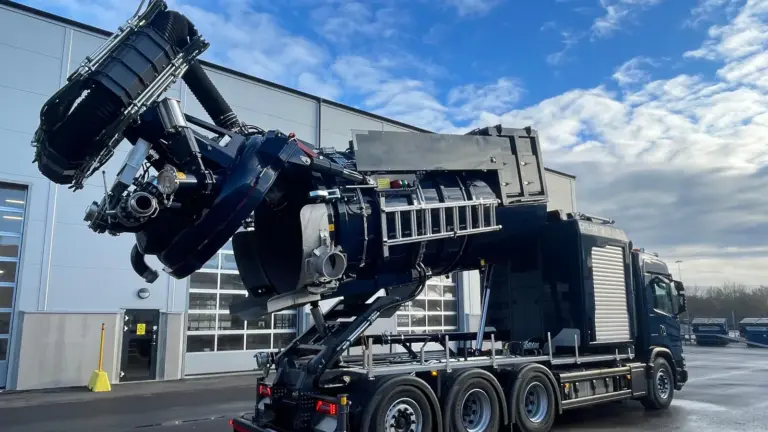
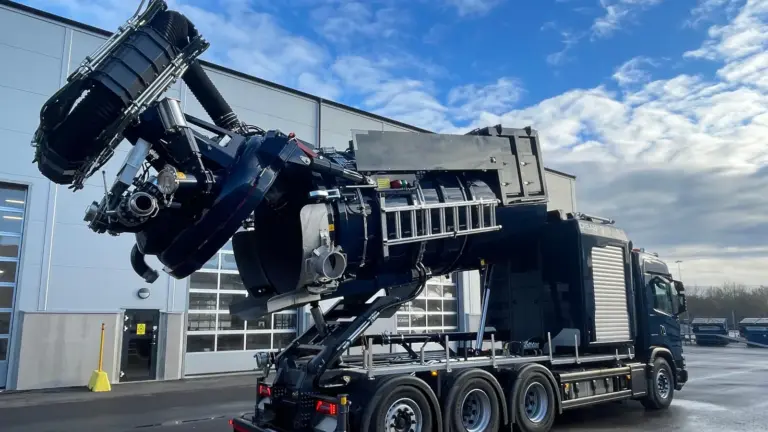
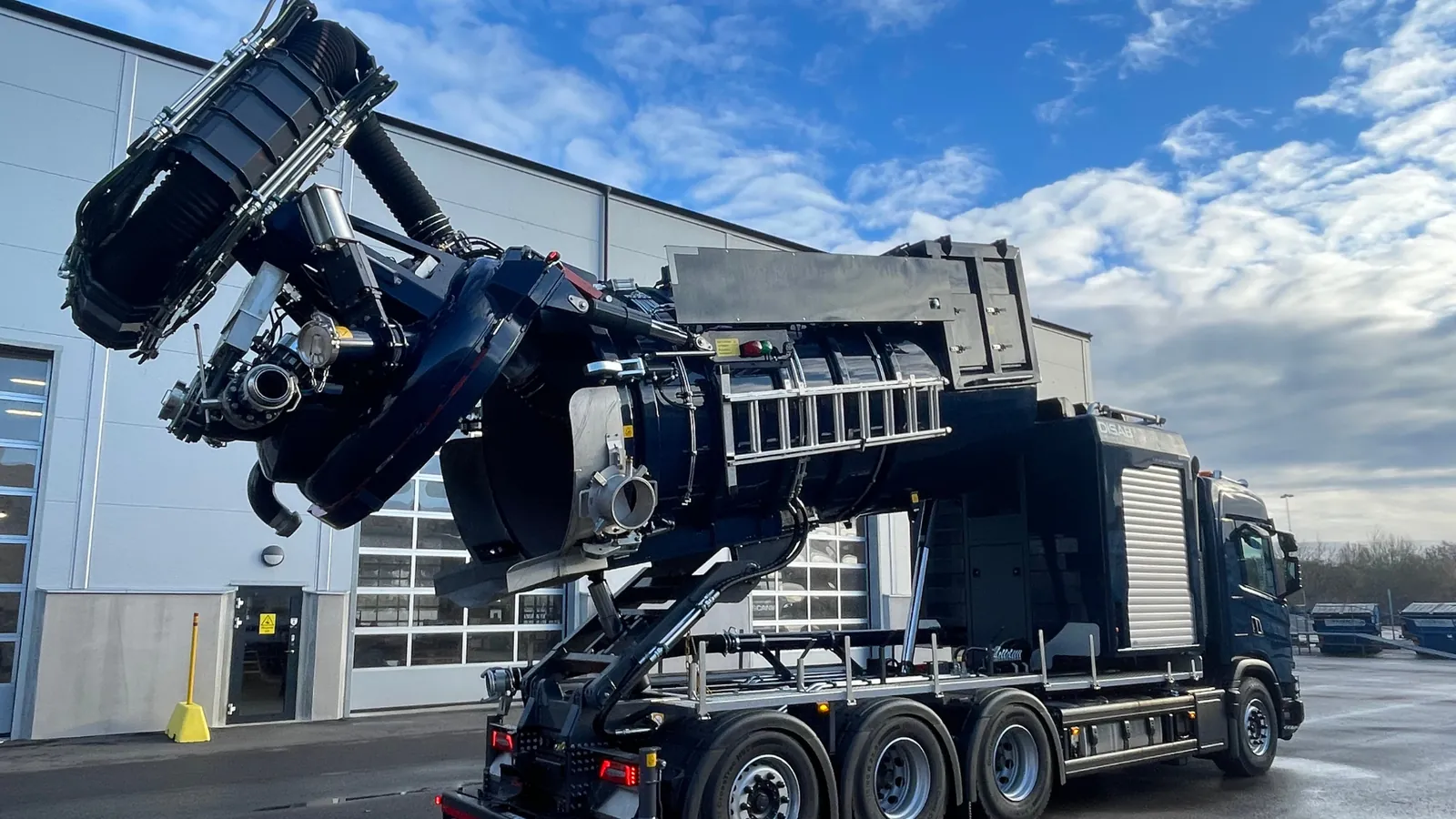
Heavy-duty vacuum equipment that can lift dense mineral fines through a long hose is the usual answer, with the layout chosen to suit how often and how far you clean. DISAB builds three broad families that fit crusher houses.
Portable units such as BagVAC, SkipVAC and CompVAC sit near the crusher house and discharge into bags or skips; DISAB describes its RoRoVac SEL as an electric unit on a hooklift frame “designed to withstand dry, wet and sticky materials”. Mobile units and vacuum trucks, such as TrailerVAC and the Centurion and Futurion vacuum loaders, bring suction to several crushing stations on one site. Centralised systems use filter separators, pre-separators and vacuum units with fixed pipes to hose points around the crusher; DISAB says these “are available with ATEX-approved options for sensitive areas”.
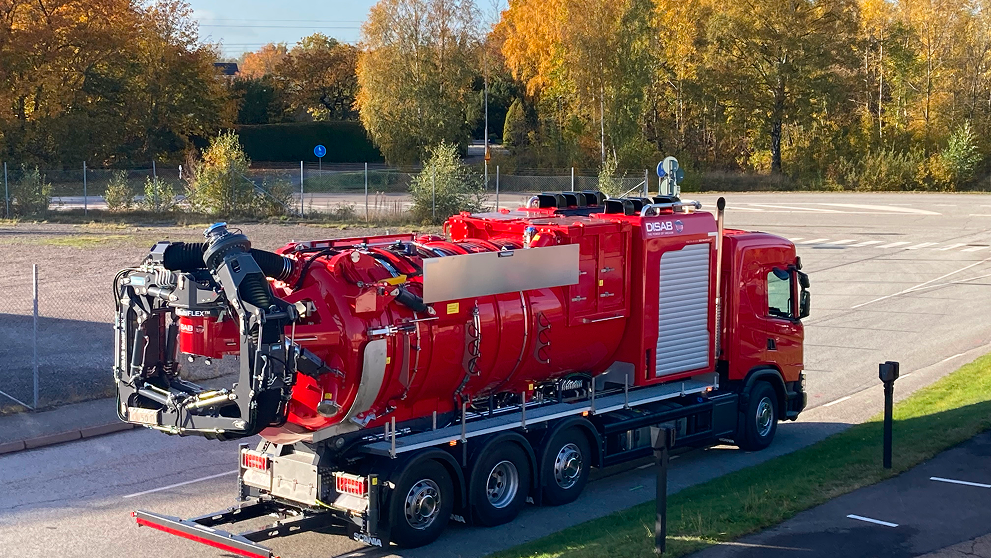
On its aggregate page DISAB says its equipment is “built for rugged environments” and handles “coarse, abrasive materials”, under the headline “Recover and reuse dust and larger debris”. Recovery rates depend on the material and layout; DISAB publishes no figures, so ask for a trial on your own fines before deciding. For a deeper comparison of layouts, see mining spillage vacuum recovery at transfer points.

Watch how wet and dry spillage is collected through hoses into a separator and discharged for reuse; the same principle applies under a crusher, with the hose route as the main design question.
What does a safe crusher cleaning sequence look like?
A safe sequence ties cleaning to a planned stop, works from top to bottom and ends with an inspection before restart. Build it into the shift or weekly maintenance plan rather than waiting for a blockage.
- Plan the stop. Agree the window with production and list every zone to be cleaned, from feed hopper to discharge belt.
- Isolate and verify. Lock out the crusher, feeder and conveyors, block moving parts and test for zero energy.
- Clean from the top down. Start with structure and platforms above the crusher, then the deck, then the chute, underpan and floor, so dust does not fall onto cleaned areas.
- Recover by type. Keep clean product fines separate from contaminated waste so the clean fraction can return to the process where your quality team allows it.
- Inspect while it is clean. Check liners, skirt seals, chute wear and guard condition; a clean crusher is the best moment to find the source of the spill.
- Restore and record. Refit guards, remove locks under your permit system and log what was recovered and where.
Crusher fines cleaning sequence
- Plan the stop
- Lock out and verify
- Clean top to bottom
- Recover and separate
- Inspect and record
What should you measure to keep crusher fines under control?
Measure how much material you recover, where it came from and how long the clean took, because those three numbers show whether the problem is getting better. Without them, cleaning stays a recurring cost with no feedback.
- Volume recovered per stop, in bags, skips or tank loads, by zone.
- Time from lockout to restart, and how much of it was spent cleaning.
- The likely source: worn liners, failed skirt seals, overfilled feeders or chute build-up.
- Airborne dust exposure results from your occupational hygiene monitoring, before and after a change in method.
- Photos of each zone after cleaning, to compare from one stop to the next.
In Jordan’s phosphate and potash operations and the cement and aggregate plants of Saudi Arabia and Iraq, desert dust adds to process fines, so overhead surfaces can load faster than expected. AFE’s Internal high clean dust removal service can take on the structure above the crusher if your team prefers to focus on the machine itself.
What does AFE need to recommend crusher cleaning equipment?
AFE needs to understand the material, the layout and how often you clean before proposing a DISAB unit or system. A short information pack avoids an oversized truck or an undersized portable unit.
- Crusher types and stages (jaw, cone, impact) and the rock or ore being crushed.
- Material condition at each zone: dry, damp or sticky; typical lump size; any combustible content.
- Photos and a sketch of the crusher house, with heights and the distance from each cleaning point to where a unit could stand.
- Typical volume per cleaning and how often you stop to clean.
- Where recovered material goes: back to the process, to a stockpile or to waste handled by your licensed contractor.
- Power available, site access for a truck, and whether you would trial or rent before buying.
From that, AFE can propose a configuration from its heavy-duty vacuum loaders and DISAB systems, support a trial, and supply filters, hoses and wear parts through its MRO and consumables service. Where a fixed network to several crushers is worth considering, AFE’s engineering and consulting team can review the layout. AFE supplies the equipment and advice; transport and disposal of waste stay with your licensed contractor.
Al Faisaliah Enterprises · Aqaba
Get the right vacuum for your crusher house
Send the crusher types, material condition, photos and hose distances. AFE will propose a DISAB configuration and, where useful, a trial or rental before you buy.
Frequently asked questions
Can we clean under the crusher while it is running if we stay outside the guards?
Reaching into the discharge chute, underpan or feeder area of a running crusher is how many serious crusher injuries happen. Cleaning in those areas should wait for a planned stop with the crusher, feeder and conveyors locked out and blocked against motion. Only cleaning well clear of moving parts and outside fixed guards, such as walkways at a distance, should take place during operation, and only if your risk assessment allows it.
Can recovered crusher fines go back into the product?
Often they can, if they are kept separate from contaminated waste such as oil, rubber or sweepings, and your quality team accepts them. That is why the recovery method matters: a vacuum that discharges into a clean bag or skip keeps the fines usable. Material that cannot be reused is handed to your licensed waste contractor; AFE supplies equipment, not waste transport or disposal.
Is a vacuum truck necessary, or will a portable unit do?
It depends on volume, distance and frequency. A portable unit near the crusher house can handle routine cleaning at short hose distances. A vacuum truck suits larger volumes or several crushing stations. A fixed system with pipes to hose points suits plants that clean the same places every shift. AFE recommends a configuration after seeing the layout and material.
How often should a crusher house be cleaned?
There is no fixed interval. Start with every planned stop for the discharge and underpan, and weekly or monthly for structure and platforms, then adjust using your records of recovered volume and time. If the same zone fills quickly every time, fix the source, such as worn liners or skirt seals, rather than cleaning more often.
Can we rent equipment for a crusher shutdown before buying?
Yes. AFE offers equipment rental for shutdowns, trials and temporary needs. Renting during a planned stop is a practical way to test a unit on your own fines, hose distances and power supply before committing to a purchase. Availability of specific DISAB models must be confirmed with AFE for your country and dates.
Sources and references
- 30 CFR 56.14105, Procedures during repairs or maintenance · U.S. Code of Federal Regulations (via Cornell LII)
- Report of Investigation: fatal machinery accident at a jaw crusher, 14 July 1998 · U.S. Mine Safety and Health Administration
- Report of Investigation: fatal accident clearing a jammed impact crusher, 23 November 2003 · U.S. Mine Safety and Health Administration
- Aggregate industry · DISAB
- Sweeping and cleaning (construction dust) · UK Health and Safety Executive
- 29 CFR 1910.1053, Respirable crystalline silica · U.S. Occupational Safety and Health Administration
This article is general technical guidance. Equipment suitability, ATEX conformity and hygiene performance must be confirmed for each site and application.
Written for plant, maintenance, HSE and quality teams in Jordan, Saudi Arabia and Iraq.